
What's Happening?
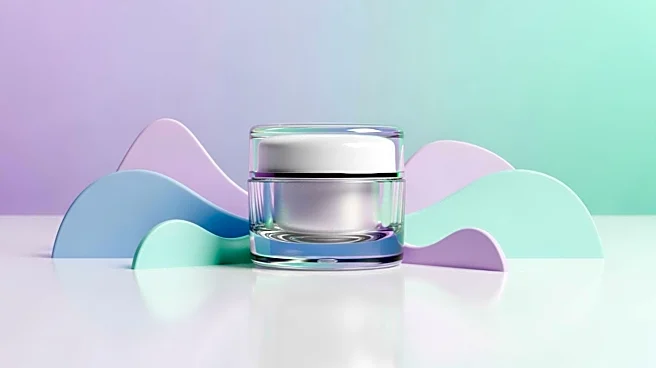
In the cosmetics industry, packaging has evolved beyond mere protection and storage to become an integral part of the product experience. This shift emphasizes usability, perception, and brand identity,
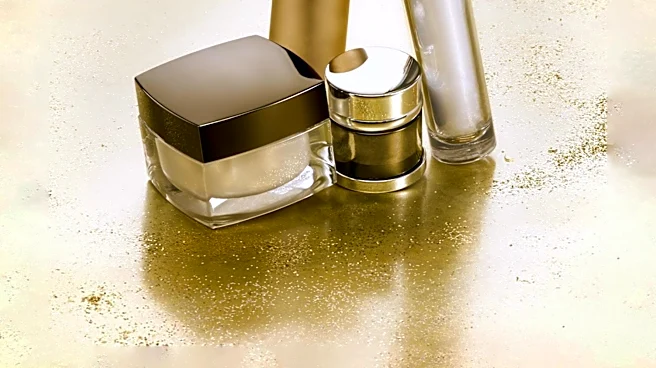
with every detail from material choice to bottle shape influencing consumer interaction. Glass packaging, particularly violet glass, is increasingly used in premium cosmetic applications due to its ability to protect light-sensitive ingredients, thereby maintaining product stability and effectiveness. The versatility of glass allows it to be molded into various shapes and sizes, suitable for a wide range of skincare and beauty products. This adaptability supports both usability and preservation, making glass a preferred choice for brands aiming to convey a premium and professional image.
Why It's Important?
The use of premium glass in cosmetic packaging is significant for several reasons. Firstly, it enhances product integrity by protecting sensitive formulations from light exposure, which can degrade active ingredients over time. This ensures that products maintain their intended performance throughout their lifecycle. Secondly, glass packaging serves as a powerful branding tool, communicating quality and positioning before the product is even used. It allows brands to create a consistent visual identity across product lines while adapting to different formulations. Additionally, glass is valued for its sustainability, being fully recyclable and reusable, aligning with the growing consumer demand for environmentally responsible products. This not only reduces environmental impact but also supports brands in maintaining a premium market position.
What's Next?
As the demand for sustainable and premium packaging solutions grows, more cosmetic brands are likely to adopt glass packaging. This trend could lead to innovations in glass design and functionality, further enhancing usability and consumer experience. Brands may also explore new ways to integrate glass packaging into their sustainability initiatives, such as encouraging reuse and recycling among consumers. Additionally, the emphasis on brand identity through packaging could drive more personalized and customizable glass designs, allowing brands to differentiate themselves in a competitive market. Stakeholders in the cosmetics industry, including manufacturers and designers, will need to collaborate to meet these evolving consumer expectations.
Beyond the Headlines
The shift towards premium glass packaging in cosmetics reflects broader cultural and ethical considerations. As consumers become more conscious of environmental issues, the demand for sustainable packaging solutions is likely to influence other industries as well. This trend highlights the importance of aligning product design with consumer values, such as sustainability and quality. Moreover, the focus on packaging as part of the product experience underscores the role of aesthetics and functionality in consumer decision-making. This could lead to a reevaluation of packaging strategies across various sectors, emphasizing the need for innovation and adaptability in meeting consumer needs.