
What's Happening?
The UK-based plush toy company Jellycat has experienced a substantial increase in revenue, with a two-thirds rise to £333 million ($459 million) in 2024. This growth is largely attributed to the company's
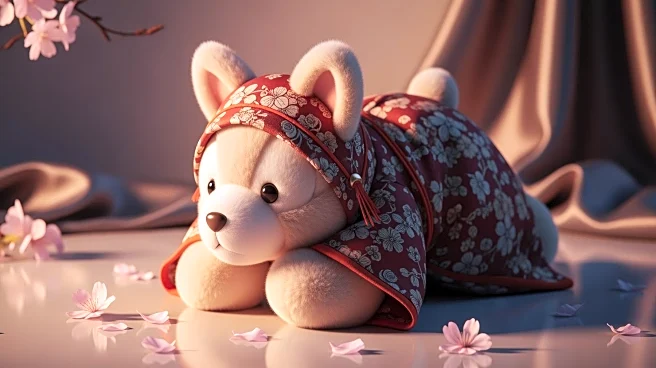
success in the Chinese market, where it sold approximately $117 million worth of toys. The popularity of Jellycat toys in China reflects a broader trend of young adults turning to collectible toys for emotional comfort amid economic uncertainties. The company has capitalized on this trend by localizing its products and creating pop-up experiences that resonate with Chinese consumers. The 'Amuseable' line, featuring toys modeled on inanimate objects, has been particularly successful among Gen-Z and millennial audiences.
Why It's Important?
Jellycat's success in China highlights the potential for Western brands to tap into the growing collectible toy market in the region. This trend is driven by young adults seeking affordable emotional comfort in a sluggish economy marked by high youth unemployment and a property crisis. The company's ability to adapt its products to local tastes and leverage social media for marketing has been crucial in capturing this market. The rise of 'kidult' culture, where adults engage with toys traditionally aimed at children, presents new opportunities for toy manufacturers globally. Jellycat's strategy of limited-edition releases and 'hunger marketing' has also contributed to its popularity, making its products a status symbol among collectors.
What's Next?
Jellycat is likely to continue expanding its presence in China and other markets by introducing new products and experiences that cater to local preferences. The company may also explore collaborations with local influencers and celebrities to further enhance its brand appeal. As the demand for collectible toys grows, other Western brands may follow Jellycat's lead in localizing their offerings to capture a share of this lucrative market. Additionally, the ongoing economic challenges in China could drive more consumers to seek affordable luxury items like Jellycat toys, further boosting the company's sales.
Beyond the Headlines
The success of Jellycat in China underscores the importance of cultural adaptation and strategic marketing in global business expansion. The company's ability to resonate with Chinese consumers through localized products and experiences highlights the potential for other brands to achieve similar success by understanding and catering to local cultural nuances. Furthermore, the rise of 'kidult' culture reflects a broader societal shift where traditional notions of adulthood are being redefined, creating new opportunities for businesses to engage with this demographic.