





What's Happening?
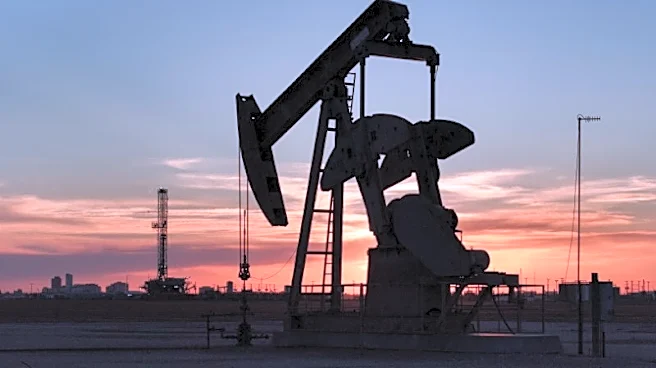
HFI Research, an investment firm specializing in energy markets, has warned of a potential crisis in the oil market by early June. The firm predicts that if the Strait of Hormuz remains closed, global oil markets could experience panic-buying and hoarding
due to severe supply shortages. This scenario contradicts more optimistic forecasts that expect market normalization. Oil prices have already reached a three-year high, with Brent crude consistently above $100 per barrel. The U.S. and other nations have been mitigating the impact by drawing down their crude reserves, but these stocks are depleting rapidly.
Why It's Important?
The potential crisis in the oil market could have significant implications for global economies, particularly in the U.S., where energy prices directly affect inflation and consumer spending. A spike in oil prices could lead to increased costs for transportation and manufacturing, impacting various industries and potentially slowing economic growth. The situation underscores the vulnerability of global supply chains to geopolitical tensions and the importance of strategic reserves. If the crisis materializes, it could prompt policy responses aimed at stabilizing markets and securing energy supplies.
What's Next?
If the Strait of Hormuz remains closed, nations may intensify efforts to secure alternative oil supplies, potentially leading to diplomatic negotiations or increased production from other regions. The U.S. might consider further strategic reserve releases or policy measures to mitigate domestic impacts. Market participants will closely monitor developments in the Middle East and adjust their strategies accordingly. The situation could also accelerate discussions on energy diversification and the transition to renewable sources to reduce dependency on volatile oil markets.