




What's Happening?
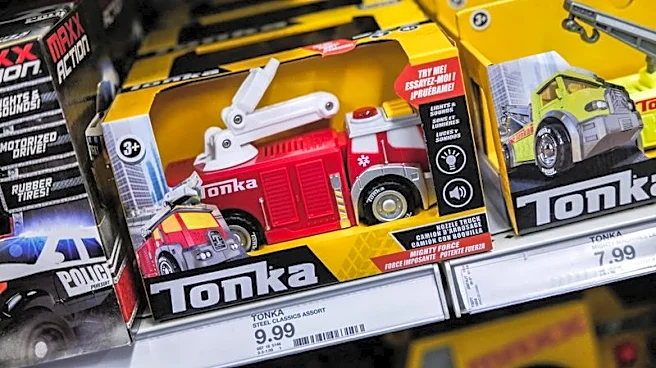
The U.S. government has initiated the first wave of tariff refund checks to businesses, with heavy-truck manufacturer Oshkosh Corporation and toymaker Basic Fun among the initial recipients. Oshkosh's CFO, Matt Field, stated that the refunds represent
only a portion of their total claims, while Basic Fun's CEO, Jay Foreman, noted that their refunds account for just 5% of their claims. This development follows a U.S. Supreme Court decision that struck down President Trump's tariffs, which were imposed under an economic emergency declaration. The court ruled that the president lacked the authority to impose such tariffs, but did not mandate refunds. The refund process, managed by U.S. Customs and Border Protection, involves a four-step procedure that began last month. The total amount eligible for refunds is estimated at $166 billion, including interest.
Why It's Important?
The initiation of tariff refunds is significant as it addresses the financial burdens imposed on businesses by tariffs deemed unauthorized by the Supreme Court. This move could potentially alleviate some economic strain on affected companies, allowing them to reinvest in operations or pass savings to consumers. However, the refunds also highlight ongoing legal and political tensions, as President Trump has criticized the court's decision and expressed intentions to contest the refunds. The situation underscores the complex interplay between judicial rulings, executive actions, and economic policy, with potential implications for future trade practices and business strategies. Additionally, the decline in tariff revenue, as reported by the Treasury Department, reflects broader economic shifts and the impact of policy changes on government income.
What's Next?
As the refund process progresses, businesses will continue navigating the four-step procedure to claim their eligible refunds. The government has indicated that more complex refund scenarios will be addressed in future phases. Meanwhile, legal challenges are emerging, with at least 17 lawsuits filed by consumers against companies like FedEx, Costco, and UPS, arguing that these businesses should not retain the refunded money. The outcome of these legal disputes could influence how refunds are distributed and whether consumers will benefit directly. Additionally, the political landscape may shift as stakeholders, including businesses and policymakers, respond to the evolving situation and its implications for trade and economic policy.
Beyond the Headlines
The tariff refund process raises broader questions about the balance of power between the executive branch and the judiciary, particularly concerning economic policy decisions. The Supreme Court's ruling against President Trump's tariffs highlights the legal limitations of executive authority in trade matters. This case may set a precedent for future disputes over presidential powers and economic interventions. Furthermore, the refunds could prompt discussions about the fairness and transparency of tariff policies, as well as their impact on domestic industries and international trade relations. The situation also underscores the importance of legal frameworks in shaping economic outcomes and protecting stakeholder interests.