


What's Happening?
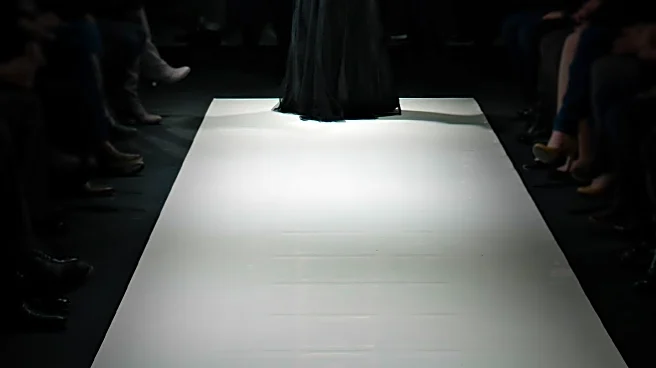
The Council of Fashion Designers of America (CFDA) has announced a significant policy change for New York Fashion Week (NYFW), set to take effect in September 2026, which will prohibit the use of animal fur. This decision is part of a broader movement within the fashion industry to eliminate animal fur from collections, a trend that has been gaining momentum over the past decade. The announcement follows similar moves by other major fashion events, such as the British Fashion Council's ban on real fur at London Fashion Week in 2023. This shift is supported by animal rights activists and organizations like Collective Fashion Justice (CFJ) and Humane World for Animals, who have been instrumental in advocating for these changes. The global fur trade
has seen a significant decline, now representing only 15% of its $40 billion peak, as more brands and retailers adopt fur-free policies.
Why It's Important?
The ban on fur at NYFW is a pivotal moment for the fashion industry, signaling a shift towards more ethical and sustainable practices. This move could influence other major fashion weeks and brands to follow suit, potentially leading to a broader industry-wide rejection of animal fur. The decision reflects growing consumer demand for cruelty-free and environmentally friendly products, which could reshape market dynamics and consumer expectations. Brands that continue to use fur may face increased scrutiny and pressure to adapt to these changing standards. The decline in the fur trade also highlights a shift in economic priorities within the fashion industry, as companies seek to align with ethical practices and respond to activist campaigns.
What's Next?
As NYFW implements its fur ban, other fashion weeks and brands may feel compelled to adopt similar policies to remain competitive and relevant. This could lead to increased innovation in developing sustainable and ethical alternatives to animal fur. The fashion industry may also see a rise in collaborations with animal rights organizations to promote cruelty-free practices. Additionally, the economic impact on the fur industry could prompt a reevaluation of business models and supply chains, as companies seek to diversify and adapt to the changing landscape. Stakeholders, including designers, retailers, and consumers, will likely continue to engage in discussions about the future of ethical fashion.
Beyond the Headlines
The move to ban fur at NYFW raises broader ethical and cultural questions about the role of fashion in society and its responsibility towards animal welfare. It challenges traditional notions of luxury and prompts a reevaluation of what constitutes high fashion. The shift away from fur could also influence other industries, such as home decor and automotive, to reconsider their use of animal products. This development may contribute to a larger cultural shift towards sustainability and ethical consumption, reflecting a growing awareness of the environmental and ethical implications of consumer choices.