







What's Happening?
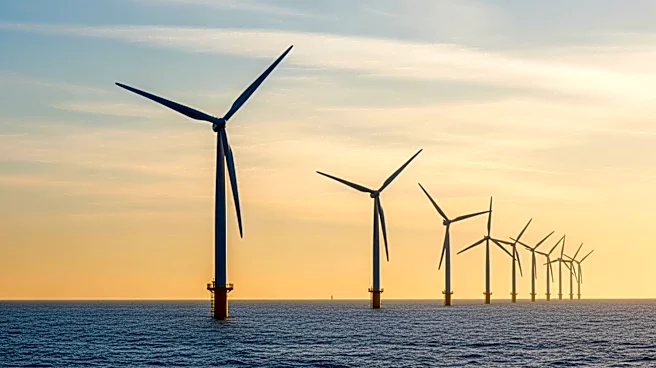
The U.S. Department of the Interior has reached agreements with two offshore wind developers, Bluepoint Wind and Golden State Wind, to terminate their lease positions. This decision redirects capital into conventional energy projects, marking a significant
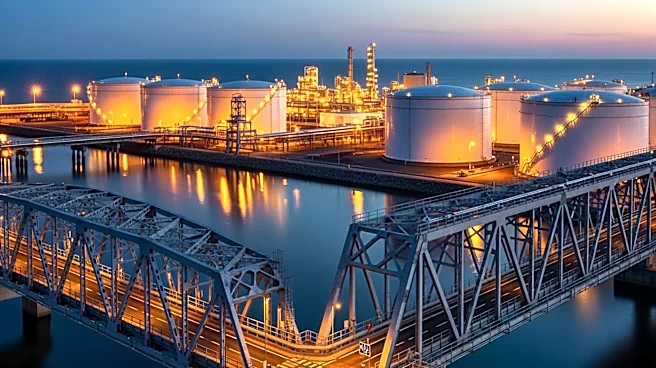
shift in U.S. energy policy. Bluepoint Wind will invest up to $765 million into a domestic LNG facility, while Golden State Wind will allocate approximately $120 million into U.S. oil and gas assets, primarily along the Gulf Coast. These agreements are part of a broader strategy to support reliable energy sources and reduce reliance on projects deemed uneconomic without subsidies.
Why It's Important?
This shift in energy policy underscores a renewed focus on conventional energy sources amid global energy demand and supply disruptions. By redirecting investments from wind to oil, gas, and LNG, the U.S. aims to bolster its energy security and infrastructure. This move could lead to increased capital availability for LNG facilities and oil and gas projects, particularly benefiting the Gulf Coast region. The policy change reflects a strategic pivot to ensure energy reliability and affordability, potentially impacting the renewable energy sector and its future growth.
What's Next?
The agreements with Bluepoint Wind and Golden State Wind are expected to influence future energy investments and policy decisions. As the U.S. prioritizes conventional energy development, stakeholders in the oil and gas industry may see increased opportunities for expansion and infrastructure development. The shift may also prompt discussions on balancing energy security with environmental sustainability, as the nation navigates its energy transition strategy.