





What's Happening?
The concept of the American Dream house is evolving, with Millennials and Gen Z showing a preference for smaller homes in walkable communities over larger suburban houses. This shift is partly due to the high cost of real estate, making homeownership
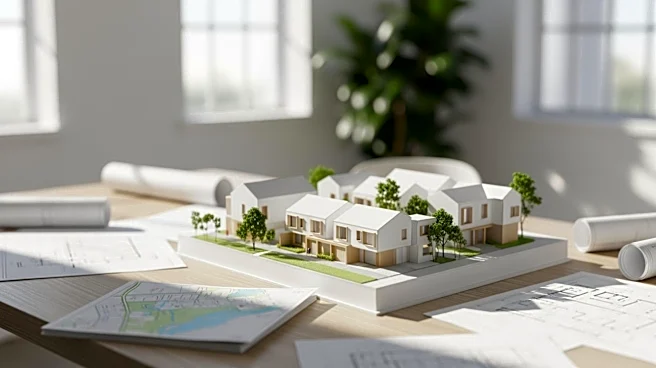
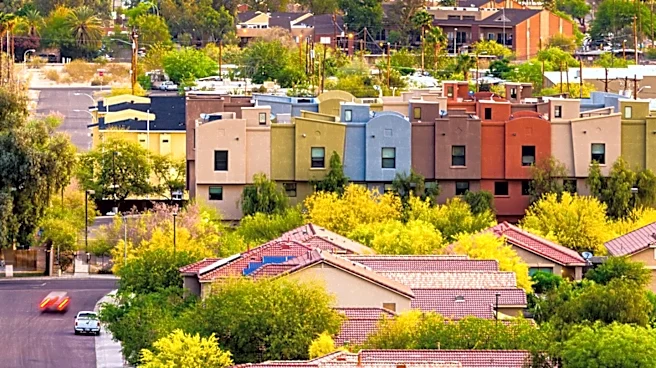
a challenge for many. The demand for 'missing middle housing,' such as row houses, is increasing, but these types of homes are underrepresented in new construction due to zoning issues and historical perceptions of prestige. Row houses offer benefits like reduced heating costs and efficient land use, but they face challenges in terms of sunlight and noise.
Why It's Important?
This shift in housing preferences reflects broader changes in societal values and economic realities. As younger generations prioritize accessibility and community over size, urban planning and housing policies may need to adapt to meet these demands. The trend towards smaller, more sustainable living spaces could influence future housing developments, encouraging more efficient use of land and resources. Additionally, this change could impact the real estate market, as developers and policymakers respond to the evolving needs of homebuyers.
What's Next?
Urban planners and developers may need to address zoning regulations and construction practices to accommodate the growing demand for middle-scale housing. This could involve revising codes to allow for higher density and more diverse housing options. As the market adapts, there may be increased investment in developing walkable communities that offer the amenities and lifestyle that younger generations seek. The success of these initiatives will depend on balancing the needs for affordability, accessibility, and community engagement.