






What's Happening?
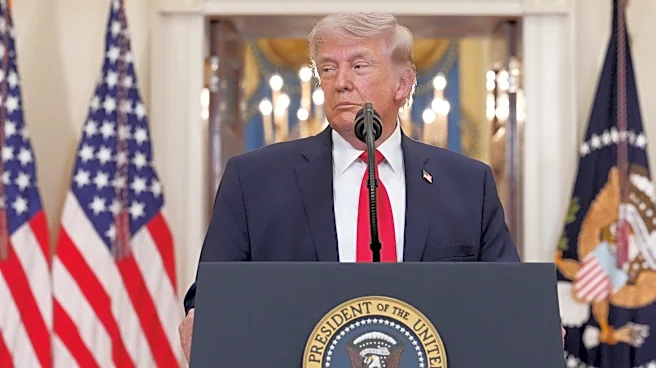
President Trump has signed a new executive order that significantly impacts college athletics, particularly concerning the transfer rules for student-athletes. The order mandates that college athletes have a five-year eligibility window in the NCAA and are
allowed to transfer once during their undergraduate studies. Upon completing their undergraduate education, they can transfer again if they pursue a graduate degree. This change is set to take effect on August 1. The executive order aims to address concerns from athletic directors and stakeholders about the current transfer system, which has been a topic of debate. The Colorado Buffaloes, under coach Deion Sanders, may need to adjust their recruiting strategies, as the new rules limit undergraduate players to a single transfer opportunity. This could lead to a greater emphasis on high school recruiting to build a stable roster.
Why It's Important?
The executive order represents a significant shift in college athletics, potentially affecting how teams like the Colorado Buffaloes build their rosters. By limiting transfers, the order could stabilize team compositions and reduce the frequent movement of players, which has been a hallmark of the current system. This change may benefit programs that can effectively recruit and develop high school talent, as they will have more control over their rosters. However, it could also challenge programs that have relied heavily on the transfer portal to fill gaps. The order's impact extends beyond individual teams, as it could influence the broader landscape of college sports, affecting player decisions, team strategies, and the overall competitiveness of college athletics.
What's Next?
As the executive order takes effect, college programs, including the Colorado Buffaloes, will need to adapt their recruiting and roster management strategies. Coaches like Deion Sanders may prioritize high school recruiting to ensure a steady influx of talent. The order may also prompt discussions among NCAA officials, athletic directors, and coaches about its long-term implications and potential adjustments. Stakeholders will likely monitor the order's impact on player satisfaction and team performance, which could lead to further policy changes or refinements. Additionally, the order may influence how other sports, such as college basketball, approach player recruitment and development.