
What's Happening?
A recent study conducted by researchers at University College London suggests that engaging in the arts can slow biological aging. The study analyzed survey data and blood samples from approximately 3,500
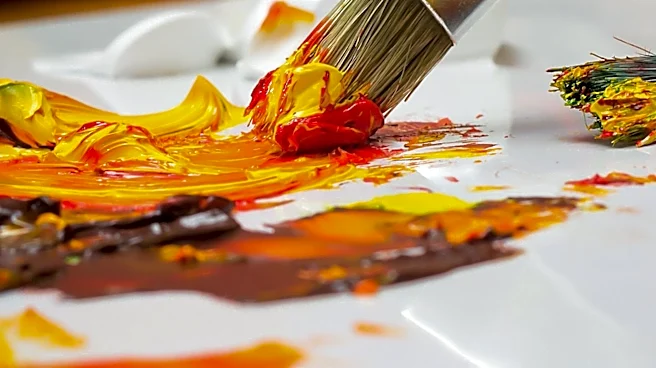
adults in the United Kingdom, using epigenetic clocks to assess their rate of aging. The findings indicate that individuals who regularly participate in artistic activities, such as painting, music, or attending cultural events, experience a 4% slower rate of aging. This reduction is comparable to the effects of physical activity on biological aging. The study highlights the potential health benefits of creative expression, suggesting that it can lower stress levels and positively impact biological processes.
Why It's Important?
The study's findings underscore the potential of non-pharmacological interventions, like arts engagement, in promoting health and longevity. As the U.S. population ages, identifying accessible and enjoyable ways to maintain health is increasingly important. The arts offer a unique avenue for stress reduction, which can mitigate inflammation and other negative health effects associated with chronic stress. This research could influence public health strategies, encouraging more people to incorporate creative activities into their routines. It also opens up new areas of study into how leisure activities can impact biological aging, potentially leading to broader acceptance and integration of arts in health and wellness programs.
What's Next?
Further research is needed to confirm these findings and explore the mechanisms by which arts engagement influences biological aging. Future studies may investigate whether starting artistic activities later in life can yield similar benefits and determine the frequency and types of activities that are most effective. Additionally, healthcare providers might consider recommending arts participation as part of holistic health plans. Policymakers and community organizations could also promote arts programs as a public health measure, potentially leading to increased funding and support for arts initiatives.
Beyond the Headlines
The study highlights a cultural dimension to health, suggesting that societal values around creativity and leisure could play a role in public health. Emphasizing the arts as a health intervention may shift cultural perceptions, valuing creative expression not just for its aesthetic or entertainment value but as a vital component of a healthy lifestyle. This could lead to broader societal changes, where arts and culture are more deeply integrated into daily life and public policy.