



What's Happening?
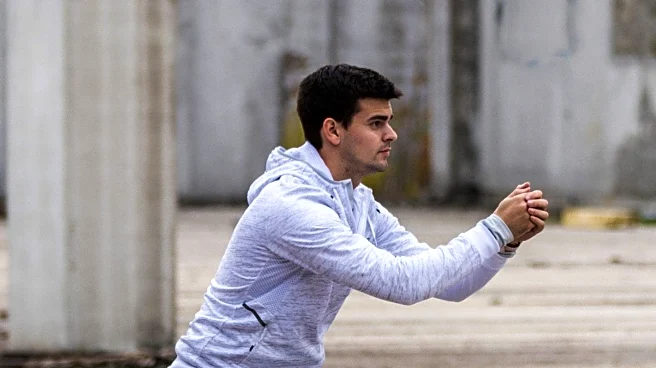
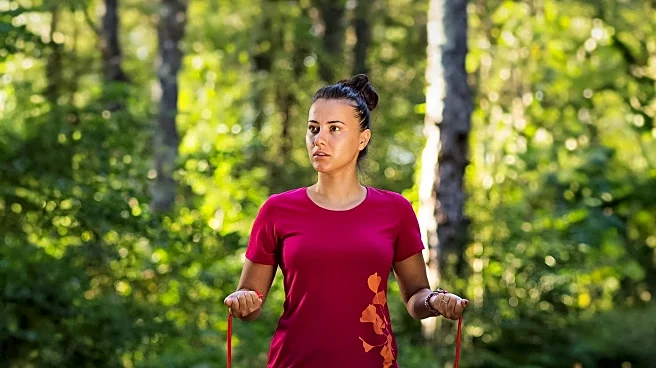
Experts are highlighting the benefits of combining walking with strength training to help individuals over 50 slim their waistlines. According to Karen Ann Canham, CEO and founder of Karen Ann Wellness, incorporating strength training two to three times per week can enhance fat burning at rest and support muscle maintenance, especially important after the age of 50. Walking, when done with proper techniques such as interval walking, using ankle weights, and maintaining good posture, can further engage core muscles and promote fat loss. Eric North, a wellness speaker, emphasizes the importance of consistency in walking routines, along with adequate sleep and nutrition, to achieve visible results. These strategies are designed to counteract the natural
redistribution of body fat that occurs with aging, which often leads to increased abdominal fat due to hormonal changes and decreased muscle mass.
Why It's Important?
This approach to fitness is significant as it addresses the common challenge of weight gain and muscle loss in individuals over 50, a demographic that often experiences a shift in fat distribution towards the midsection. By promoting a combination of walking and strength training, the strategy offers a practical and accessible way to improve health outcomes, reduce the risk of obesity-related diseases, and enhance quality of life. The emphasis on consistency and lifestyle adjustments, such as improved sleep and nutrition, highlights a holistic approach to health that can lead to sustainable weight management and overall well-being. This is particularly relevant as the U.S. population ages, with a growing number of individuals seeking effective methods to maintain health and vitality in later years.
What's Next?
Individuals interested in adopting this fitness regimen are encouraged to integrate these walking techniques and strength training exercises into their daily routines. As awareness of the benefits grows, fitness programs and wellness initiatives may increasingly incorporate these strategies to cater to the aging population. Health professionals and fitness trainers might also develop tailored programs that focus on these methods, potentially leading to broader adoption and improved health outcomes for older adults. Additionally, further research could explore the long-term effects of these combined exercises on aging populations, potentially influencing public health recommendations and guidelines.