


What's Happening?
Gold prices have declined as the U.S. dollar strengthens and expectations for an interest rate cut diminish. Spot gold fell by 5.6% to $5,029.59 an ounce, while U.S. gold futures dropped by 5.1% to $5,041.50. The stronger dollar and rising bond yields
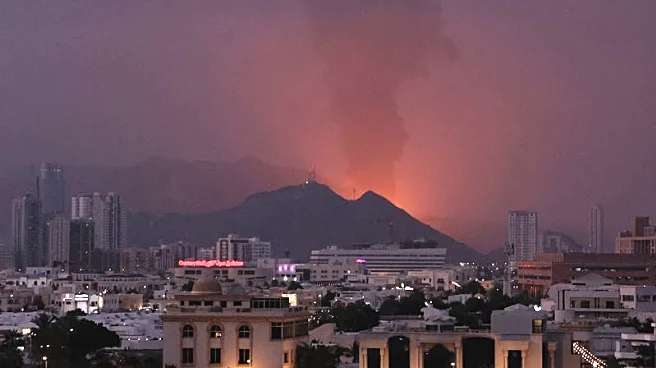
have made gold less attractive as a safe-haven asset. The ongoing conflict in the Middle East, particularly the closure of the Strait of Hormuz, has contributed to higher oil prices, stoking inflation fears and pushing back rate-cut expectations. Despite the current dip, some analysts believe that geopolitical risks could support higher gold and silver prices in the future.
Why It's Important?
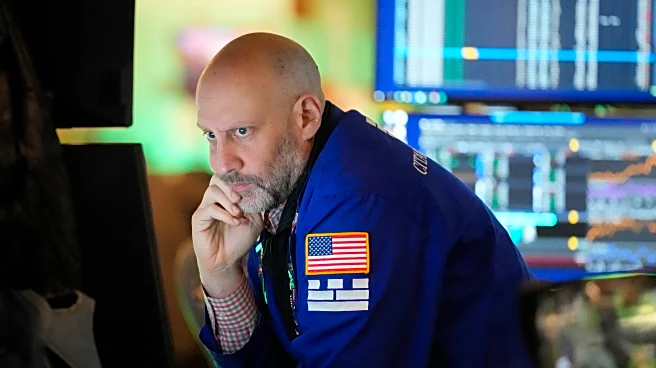
The decline in gold prices reflects broader market dynamics influenced by geopolitical tensions and monetary policy expectations. As a traditional hedge against inflation and uncertainty, gold's performance is closely tied to interest rate environments and currency strength. The current situation highlights the complex interplay between global events, currency markets, and commodity prices. Investors and policymakers must consider these factors when making decisions, as they have significant implications for financial markets and economic stability.
What's Next?
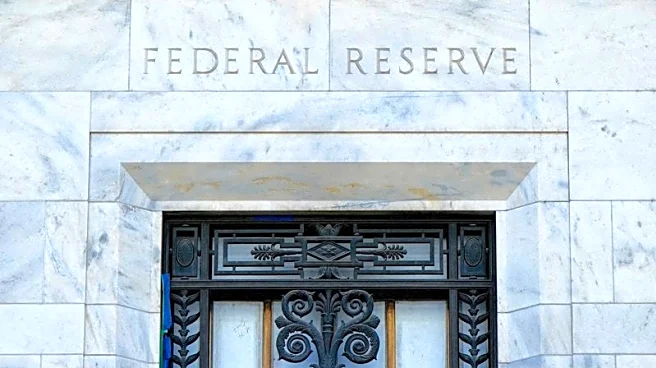
The trajectory of gold prices will depend on developments in the Middle East and their impact on global markets. Investors will be watching for any changes in Federal Reserve policy, particularly regarding interest rates, as these could influence gold's attractiveness as an investment. Additionally, the ongoing geopolitical situation may continue to drive demand for safe-haven assets, potentially supporting gold prices in the longer term. Stakeholders will need to remain informed and responsive to these evolving conditions.