






What's Happening?
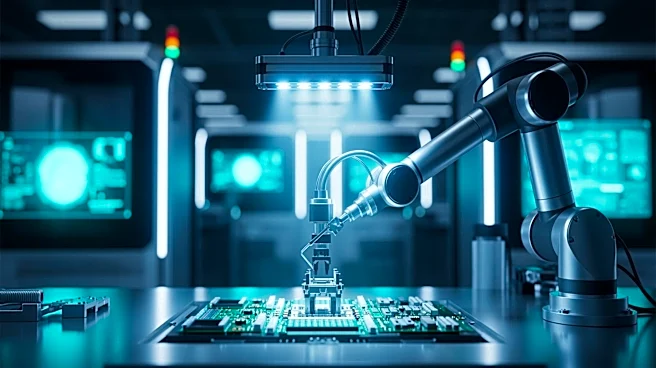
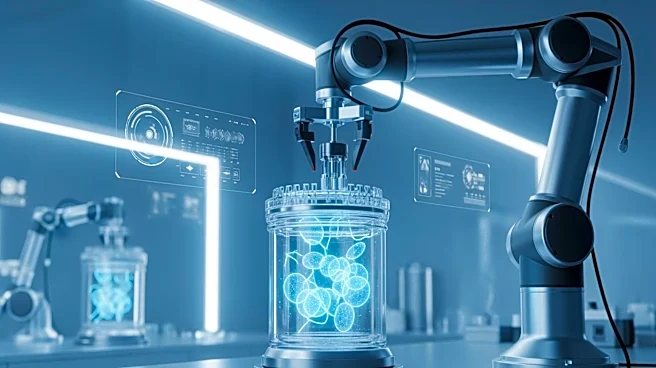
CPC Biotech, a leading manufacturer of biopharmaceutical processing components, has partnered with Multiply Labs to advance the automation of cell therapy manufacturing. This collaboration aims to integrate robotic systems into the production process,
which is traditionally manual, to enhance efficiency and reduce contamination risks. CPC Biotech is developing an aseptic connector specifically designed for robotic operation, which will be a key component in this automation effort. Multiply Labs, known for its innovative use of robotics in cell and gene therapy production, is working to overcome manufacturing bottlenecks and expand access to therapies. The partnership focuses on creating a modular and scalable system that can be easily integrated into existing production floors, thereby increasing production capacity without requiring significant space.
Why It's Important?
The collaboration between CPC Biotech and Multiply Labs is significant as it addresses critical challenges in the cell therapy manufacturing sector, such as efficiency, scalability, and contamination risks. By automating the process, the companies aim to make cell therapies more accessible and affordable, potentially transforming the biopharmaceutical industry. This development could lead to faster delivery of advanced therapies to patients, improving treatment outcomes and expanding the market for cell and gene therapies. The use of robotics in manufacturing also represents a shift towards more sustainable and reliable production methods, which could set new industry standards and drive further innovation.
What's Next?
As CPC Biotech and Multiply Labs continue to develop their automated cell therapy manufacturing systems, the next steps will likely involve testing and refining the technology to ensure it meets industry standards for reliability and efficiency. The companies may also seek regulatory approvals and certifications to validate their systems for commercial use. Additionally, they might explore partnerships with other biopharmaceutical companies to expand the adoption of their technology. Stakeholders in the healthcare and biopharmaceutical sectors will be closely monitoring these developments, as successful implementation could lead to broader changes in manufacturing practices and regulatory frameworks.