

What's Happening?
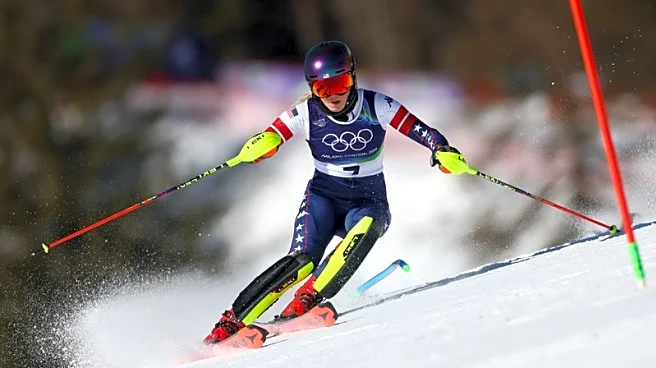
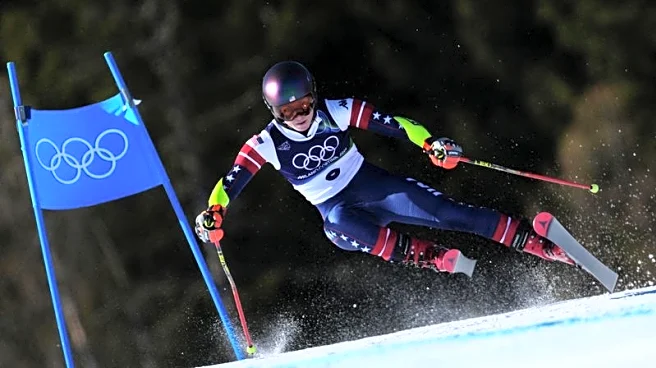
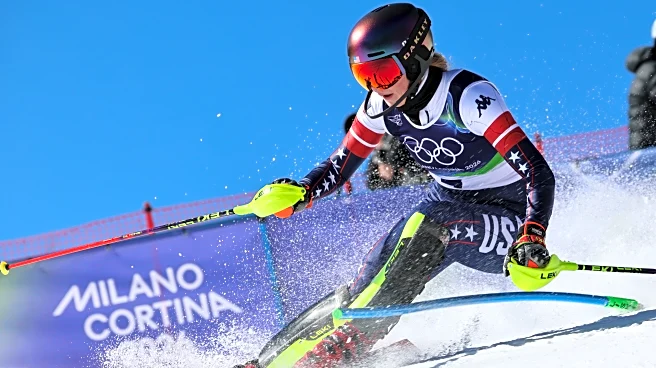
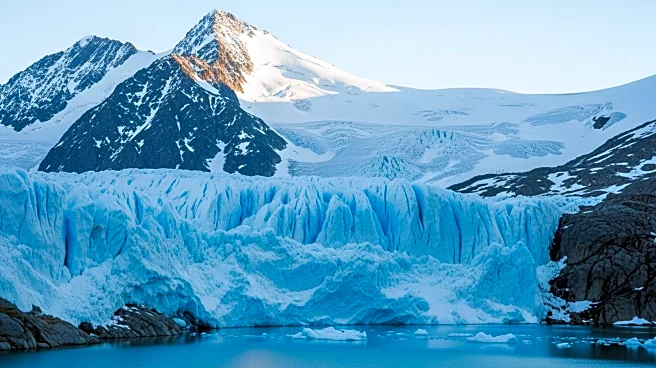
During the Winter Olympics in Cortina d'Ampezzo, Italy, Team USA skiers Lindsey Vonn and Mikaela Shiffrin, along with other athletes, have voiced concerns about the rapid melting of glaciers. This issue is particularly evident in the Dolomites, where glaciers have significantly shrunk, affecting the quality of snow essential for training. The skiers emphasize the importance of glaciers to their sport and express hope for policy changes to address climate change. Italian glaciologist Antonella Senese highlights that Italy has lost over 200 square kilometers of glacier area since the late 1950s, with the rate of loss accelerating in recent decades.
Why It's Important?
The melting of glaciers poses a significant threat to winter sports, which rely on consistent snow
conditions. This environmental change not only impacts athletes' training and competition but also raises broader concerns about climate change's effects on natural resources and ecosystems. The loss of glaciers contributes to rising sea levels and alters water sources, which can have far-reaching consequences for communities and industries worldwide. The skiers' advocacy for climate action underscores the urgent need for global efforts to reduce greenhouse gas emissions and preserve these critical natural features.
What's Next?
The continued advocacy by athletes and environmentalists may lead to increased pressure on governments and corporations to implement policies aimed at mitigating climate change. The University of Innsbruck's Goodbye Glaciers Project highlights the potential to save glaciers if global warming is limited to 1.5 degrees Celsius. This initiative, along with others, could drive international cooperation and innovation in sustainable practices. The future of winter sports and the preservation of natural landscapes depend on the actions taken in the coming years to address climate change.
Beyond the Headlines
The cultural and economic implications of glacier loss extend beyond sports. Regions that depend on winter tourism may face economic challenges as snow conditions become less reliable. Additionally, the loss of glaciers can impact local communities that rely on them for water supply and agriculture. The situation calls for a reevaluation of how societies interact with and depend on natural resources, potentially leading to shifts in policy, technology, and lifestyle to adapt to a changing environment.