
What's Happening?
Beautyworld Middle East 2025 showcased the growing influence of Middle Eastern fragrance brands on the global stage. The event highlighted the region's trend-setting fragrance houses, such as Amouage,
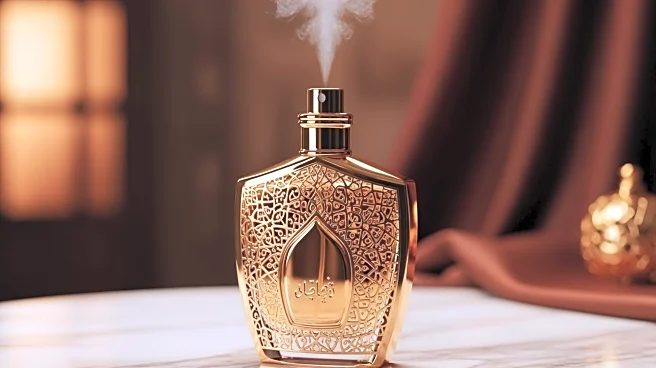
Kayali, Lattafa, and Armaf, which are redefining the olfactory landscape with exotic scents and luxurious packaging. These brands are successfully merging their artisanal roots with international ambitions, as evidenced by the significant increase in searches for 'Arabian perfume' on platforms like TikTok and Google. Lattafa and Armaf have notably expanded into Western markets, leveraging influencer-driven campaigns to achieve top sales on TikTok Shop. The event, held in Dubai, featured over 2,500 exhibitors from more than 70 countries, solidifying its status as a major global trade platform for the fragrance industry.
Why It's Important?
The prominence of Middle Eastern fragrance brands at Beautyworld Middle East 2025 underscores a significant shift in the global fragrance market. These brands are not only preserving their cultural heritage but are also expanding their reach into international markets, thereby influencing global fragrance trends. This expansion is indicative of a broader trend where non-Western brands are gaining prominence on the global stage, challenging traditional Western dominance in the luxury fragrance sector. The success of these brands in Western markets, driven by strategic marketing and influencer partnerships, highlights the growing consumer interest in diverse and exotic scents. This trend could lead to increased competition and innovation within the global fragrance industry, benefiting consumers with a wider array of choices.
What's Next?
As Middle Eastern fragrance brands continue to gain traction globally, they are likely to further expand their presence in Western markets. This could involve more strategic partnerships with influencers and retailers to enhance brand visibility and consumer engagement. Additionally, the success of these brands may inspire other non-Western fragrance houses to pursue international expansion, potentially leading to a more diverse and competitive global fragrance market. Industry stakeholders, including retailers and marketers, will need to adapt to this evolving landscape by embracing new trends and consumer preferences. The continued growth of the Middle Eastern fragrance market may also prompt Western brands to innovate and diversify their offerings to maintain market share.