







What's Happening?
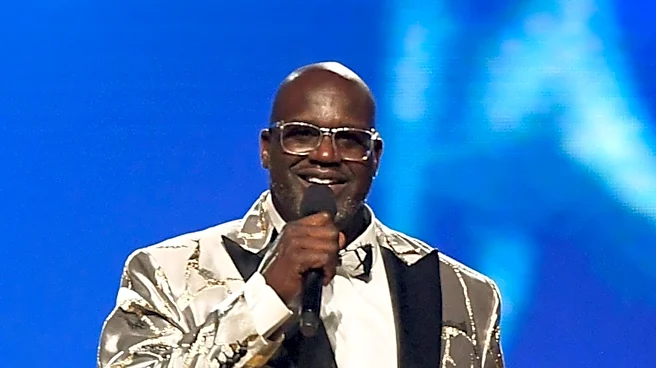
Shaquille O'Neal, a renowned former NBA player, has revealed that he is using a GLP-1 medication, not primarily for weight loss, but to manage obstructive sleep apnea (OSA). O'Neal, who retired from professional basketball in 2011, was diagnosed with
OSA following a sleep study at Harvard Medical School. This condition, characterized by interrupted breathing during sleep, can lead to fatigue and concentration issues. Initially, O'Neal did not take the diagnosis seriously, but as symptoms worsened, he sought medical advice. His doctor recommended Zepbound, a GLP-1 drug approved by the FDA for weight management and OSA. The medication has helped alleviate his symptoms and contributed to weight loss. O'Neal has also made lifestyle changes, including dietary adjustments and increased exercise, to improve his health.
Why It's Important?
The use of GLP-1 medications like Zepbound for conditions beyond weight loss highlights their potential broader applications in healthcare. O'Neal's public disclosure may raise awareness about obstructive sleep apnea, a condition that is often overlooked but can have significant health impacts. By sharing his experience, O'Neal encourages others, particularly men who may feel invincible due to their athletic backgrounds, to seek help for similar health issues. This could lead to increased diagnosis and treatment of OSA, improving quality of life for many. Additionally, the endorsement of such medications by high-profile athletes like O'Neal and Serena Williams could influence public perception and acceptance of these treatments.
What's Next?
O'Neal's involvement in a campaign for Zepbound may lead to increased visibility and acceptance of GLP-1 medications for managing conditions like OSA. As more people become aware of the potential benefits, there could be a rise in demand for these treatments. Healthcare providers might also see an uptick in patients seeking diagnosis and management options for sleep apnea. Furthermore, O'Neal's advocacy could inspire other athletes and public figures to share their health journeys, potentially leading to broader discussions about men's health and the importance of addressing medical conditions early.
Beyond the Headlines
O'Neal's story underscores the importance of addressing health conditions that are often dismissed or underestimated, particularly among men. The cultural perception of masculinity and invincibility in sports can deter individuals from seeking necessary medical care. By openly discussing his health challenges, O'Neal challenges these stereotypes and promotes a more proactive approach to health management. This could lead to a cultural shift in how health issues are perceived and addressed, particularly in the context of sports and masculinity.