


What's Happening?
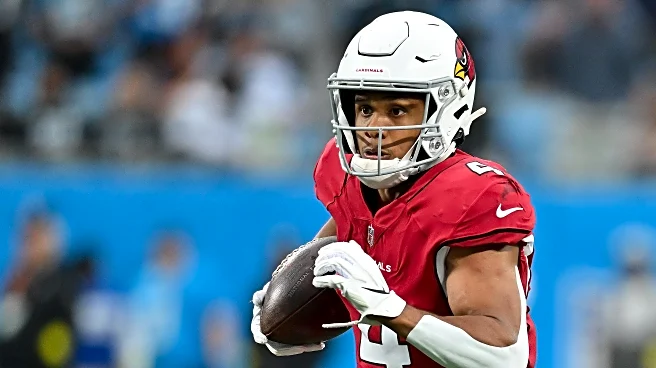
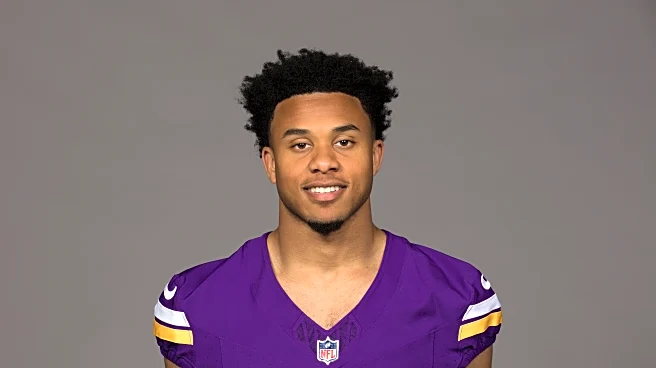
The Arizona Cardinals are mourning the death of Rondale Moore, a former wide receiver for the team, who passed away at the age of 25. Moore was drafted by the Cardinals in 2021 and played three seasons with the team, recording 135 catches for 1,201 yards and three touchdowns. He also contributed on special teams with punt and kickoff returns. The Cardinals expressed their devastation and heartbreak over the news, extending their condolences to Moore's family, friends, and teammates. Moore's career was marred by injuries, as he missed the entire 2024 season with the Atlanta Falcons and the 2025 season with the Minnesota Vikings due to knee injuries.
Why It's Important?
The death of Rondale Moore highlights the emotional impact on the sports community when a young
athlete passes away. Moore's career, though promising, was significantly affected by injuries, which is a common challenge faced by professional athletes. The Cardinals' public expression of grief underscores the close-knit nature of sports teams and the personal connections formed within them. This incident may prompt discussions on the physical demands and health risks associated with professional sports, as well as the support systems in place for athletes dealing with career-threatening injuries.
What's Next?
The Cardinals and the broader NFL community may hold tributes or memorials to honor Rondale Moore's life and career. This event could also lead to increased awareness and initiatives focused on athlete health and safety, particularly concerning injury prevention and management. The NFL might review its policies and support systems for players dealing with long-term injuries, ensuring they receive adequate care and assistance during and after their careers.
Beyond the Headlines
Rondale Moore's passing may spark broader conversations about the mental and emotional well-being of athletes, especially those facing career setbacks due to injuries. The sports industry might explore more comprehensive support networks for players, addressing not only physical health but also mental health challenges. This could lead to a cultural shift in how teams and leagues approach player welfare, emphasizing holistic care and long-term support.