
What's Happening?
Retailers are increasingly adopting CRM POS systems to integrate their online and offline sales channels, providing a seamless shopping experience for customers. According to a report by Deloitte, omnichannel
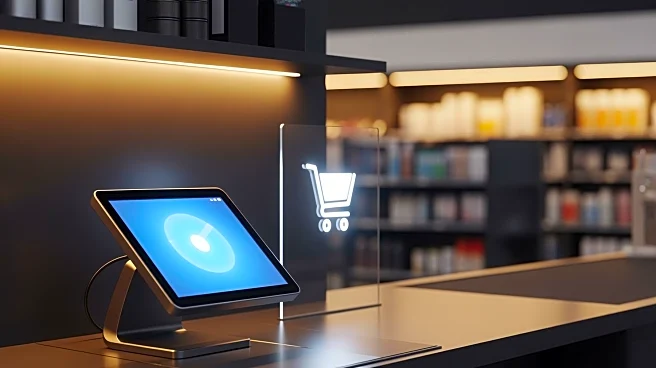
shoppers spend 1.5 times more per month than those using a single channel. A CRM POS system allows retailers to manage customer interactions more effectively by combining customer relationship management (CRM) with point-of-sale (POS) systems. This integration enables staff to access customer profiles, manage returns and exchanges efficiently, and tailor interactions based on purchase history and loyalty status. Companies like Mizzen+Main have successfully implemented CRM POS systems to enhance their loyalty programs, ensuring that customer experiences are consistent across all touchpoints.
Why It's Important?
The integration of CRM and POS systems is crucial for retailers aiming to improve customer satisfaction and drive revenue. By providing a unified view of customer interactions, retailers can offer personalized experiences that enhance customer loyalty. This approach not only increases sales but also reduces operational costs by minimizing the need for separate systems. The ability to access real-time data allows retailers to automate marketing efforts and improve clienteling, which is the practice of using customer data to personalize sales interactions. As consumer expectations for seamless shopping experiences grow, the adoption of CRM POS systems becomes a competitive advantage for retailers.
What's Next?
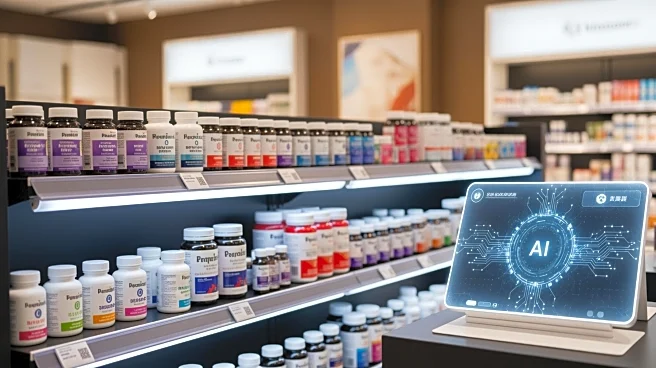
As more retailers recognize the benefits of CRM POS systems, the trend towards omnichannel retailing is expected to continue. Retailers may invest in further integrating their systems to enhance data accuracy and customer insights. This could lead to more sophisticated loyalty programs and personalized marketing strategies. Additionally, as technology evolves, retailers might explore new ways to leverage CRM POS systems, such as incorporating artificial intelligence to predict customer preferences and optimize inventory management. The ongoing development of these systems will likely shape the future of retail, emphasizing the importance of a seamless and personalized customer experience.
Beyond the Headlines
The shift towards CRM POS systems highlights a broader trend in retail towards data-driven decision-making. By centralizing customer data, retailers can gain deeper insights into consumer behavior, enabling them to make informed business decisions. This approach also raises questions about data privacy and security, as retailers must ensure that customer information is protected. As the retail landscape evolves, companies will need to balance the benefits of data integration with the ethical considerations of data management. The success of CRM POS systems will depend on retailers' ability to navigate these challenges while delivering value to their customers.