

What's Happening?
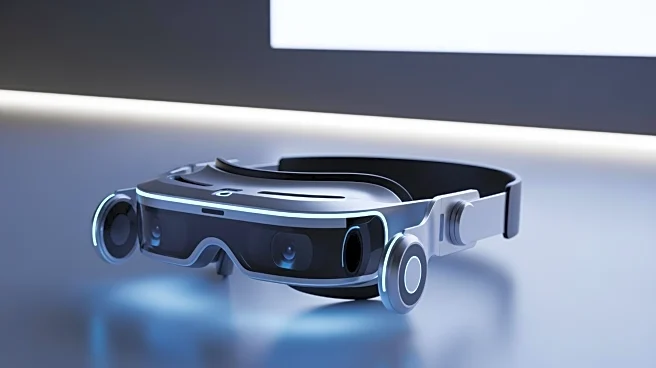
Meta's upcoming augmented reality (AR) headset design has been leaked, revealing a new modular approach that includes a lightweight visor and a separate 'compute puck' worn on the waistband. This design aims to reduce the weight of the headset by offloading
computing tasks to the puck, potentially improving comfort for users. The leak, which surfaced in February 2026, includes internal memos and images that suggest significant changes in Meta's hardware strategy. This modular design could impact the performance of apps and the overall user experience, as developers will need to optimize for this new configuration. The leak has sparked a debate within the industry about the practicality and potential market acceptance of such a design.
Why It's Important?
The introduction of a modular AR headset by Meta could have significant implications for the AR industry. By reducing the weight of the headset, Meta aims to enhance user comfort, which could lead to wider adoption of AR technology. However, the need for a separate compute puck introduces new challenges, such as potential compatibility issues and increased costs for consumers. Developers will need to adapt their applications to work with this new hardware configuration, which could lead to increased development costs and complexity. The success of this design will depend on whether consumers prioritize comfort over the convenience of an all-in-one device.
What's Next?
As Meta moves forward with this new design, the company will need to address potential concerns from both consumers and developers. The success of the modular headset will depend on how well Meta can integrate the compute puck with the visor and ensure seamless performance. Developers will play a crucial role in this process, as they will need to create applications that can take advantage of the new hardware configuration. Meta's ability to manage these challenges will determine whether the modular headset becomes a mainstream product or remains a niche offering.
Beyond the Headlines
The shift to a modular AR headset design by Meta could signal a broader trend in the AR industry towards more customizable and user-friendly devices. This approach may encourage other companies to explore similar designs, leading to increased innovation and competition in the market. Additionally, the separation of computing tasks from the headset could pave the way for more powerful and efficient AR devices in the future, as technology continues to advance.