



What's Happening?
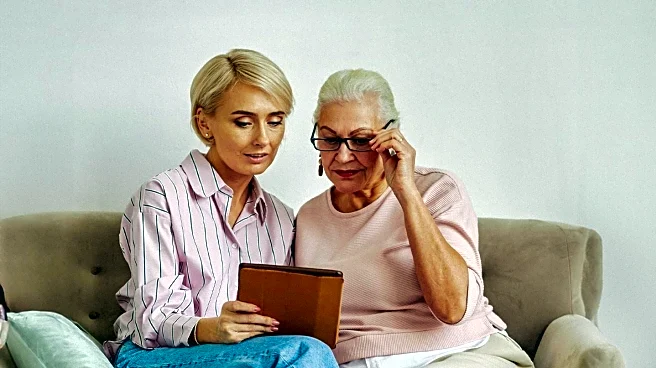
Screen time among older adults, particularly those aged 50 to 75, is on the rise, as observed by healthcare professionals. A nurse in the U.K. noted that many patients in this age group spend excessive time on smartphones or tablets, often due to boredom or loneliness during hospital stays. Despite the increase, excessive screen time has not been officially recognized as a problem akin to substance or gambling addiction. Ipsit Vahia, a geriatric psychiatry expert, highlights that while screen use can be beneficial, it also poses risks, especially for those lacking media literacy. The issue is compounded by the fact that older adults are not a homogeneous group, and their screen use varies widely.
Why It's Important?
The growing screen time among older adults has
significant implications for mental health and social dynamics. While technology can offer connectivity and engagement, it also risks fostering misinformation and scams, particularly among those less media literate. This trend could lead to increased anxiety, depression, and social isolation if not addressed. The challenge lies in balancing the benefits of technology with its potential harms, especially as older adults become more tech-savvy. Understanding and addressing these nuances is crucial for healthcare providers, policymakers, and families to ensure the well-being of this demographic.
What's Next?
Future steps may involve developing targeted interventions to improve media literacy among older adults and creating supportive environments that encourage healthy screen use. Healthcare providers might need to incorporate discussions about screen time into routine care for older adults. Additionally, there could be a push for technology companies to design more age-friendly interfaces and content. Policymakers might also consider regulations to protect older adults from online scams and misinformation. These efforts could help mitigate the negative impacts of increased screen time while enhancing its positive aspects.