






What's Happening?
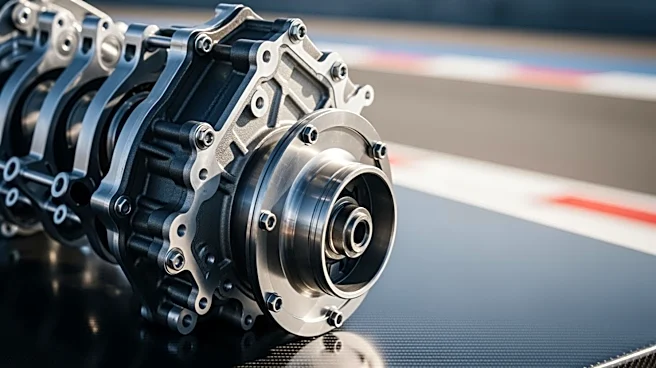
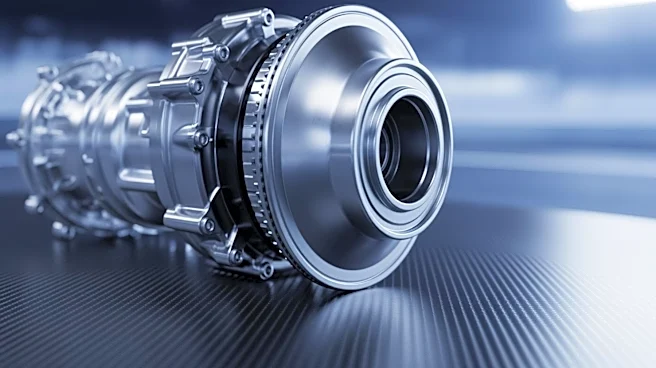
Formula 1, along with the FIA, teams, and power unit manufacturers, has agreed on significant changes to the engine regulations for the 2027 and 2028 seasons. The new rules will adjust the balance between internal combustion engine (ICE) and electrical
power, shifting from the current 53/47 split to 58/42 in 2027 and 60/40 in 2028. These changes aim to enhance energy management and fuel flow characteristics while maintaining the excitement of racing. The adjustments include increasing the maximum power of the ICE and modifying the energy recovery system's deployment. The changes are part of a broader effort to ensure the sport remains sustainable and technologically innovative.
Why It's Important?
The changes to Formula 1's engine regulations are significant as they reflect the sport's ongoing commitment to sustainability and technological advancement. By adjusting the power balance and energy management systems, Formula 1 aims to reduce its environmental impact while maintaining competitive racing. These changes could influence the strategies of teams and manufacturers, potentially leading to innovations in automotive technology that could benefit the broader industry. Additionally, the adjustments may impact the competitive dynamics of the sport, as teams adapt to the new regulations. This evolution is crucial for maintaining the sport's relevance and appeal to fans worldwide.
What's Next?
The proposed changes will be ratified later this month, with teams and manufacturers expected to begin preparations for the new regulations. Stakeholders in the sport, including teams and sponsors, will likely assess the impact of these changes on their strategies and investments. The adjustments may also prompt discussions about further innovations in engine technology and sustainability practices within the sport. As the changes are implemented, fans and analysts will be watching closely to see how they affect the performance and competitiveness of teams in the upcoming seasons.