


What's Happening?
Canadian officials, led by Natural Resources Minister Tim Hodgson, have engaged in discussions with representatives from the Trump administration regarding the potential revival of the Keystone XL oil pipeline. This project, proposed by Canadian pipeline company
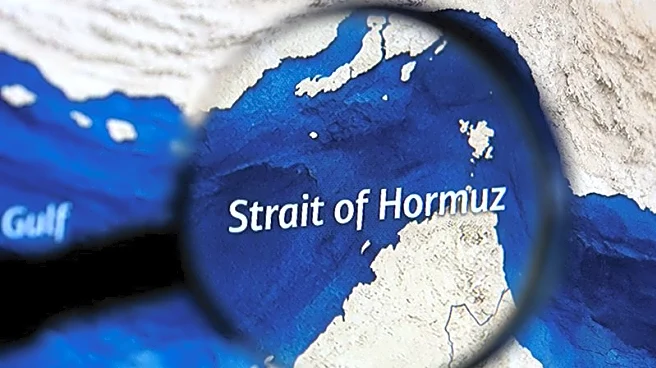
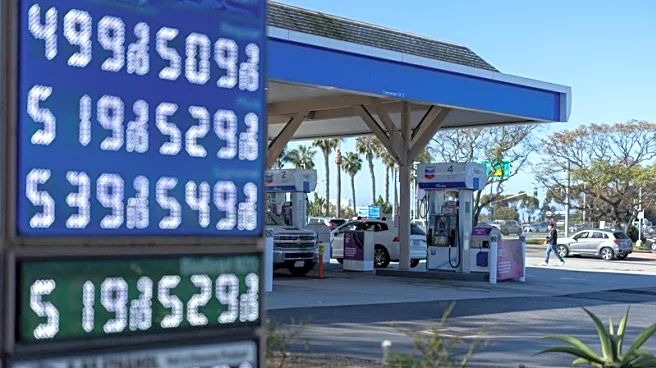
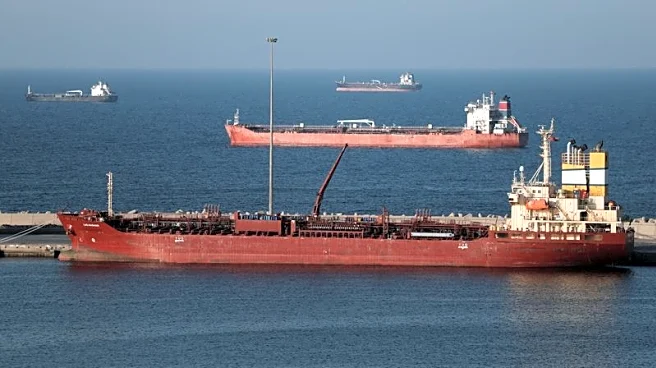
South Bow and its U.S. partner Bridger Pipeline, aims to increase Canada's crude exports to the U.S. by over 12%. The discussions took place during the CERAWeek by S&P Global conference in Houston. The revival of the pipeline is being framed by Canada as a means to bolster U.S. energy security, especially in light of disruptions caused by the ongoing conflict in Iran, which has affected global oil supplies and prices. The U.S., despite being a leading oil producer, relies significantly on Canadian oil to meet its consumption needs. The White House has not yet commented on the discussions, and it remains unclear if the Trump administration will support the project or expedite the necessary U.S. regulatory approvals.
Why It's Important?
The potential revival of the Keystone XL pipeline is significant for both U.S. and Canadian energy sectors. For the U.S., it represents a strategic move to secure a stable oil supply amid global uncertainties, thereby potentially stabilizing domestic oil prices. For Canada, it offers an opportunity to diversify its oil export markets and reduce its heavy reliance on the U.S. market. This move aligns with Canada's broader strategy to expand its energy exports to non-U.S. markets, as highlighted by the planned expansion of the Trans Mountain pipeline. The discussions also reflect the complex dynamics of U.S.-Canada relations under President Trump's administration, which have been marked by trade tensions but also mutual interests in energy cooperation.
What's Next?
If the Keystone XL pipeline revival gains support, the next steps would involve navigating the U.S. regulatory landscape to secure necessary approvals. This could involve negotiations to address environmental concerns and potential opposition from various stakeholders, including environmental groups and local communities. Additionally, Canada will continue its efforts to expand its oil export capacity through other projects, such as the Trans Mountain pipeline expansion, while seeking new international markets for its energy resources. The outcome of these efforts will significantly impact North American energy dynamics and the global oil market.