


What's Happening?
Disney Entertainment Studios, under the leadership of marketing head Martha Morrison, is launching a sequel to the iconic film 'The Devil Wears Prada'. The marketing campaign for the sequel has been heavily influenced by the enduring popularity of the original
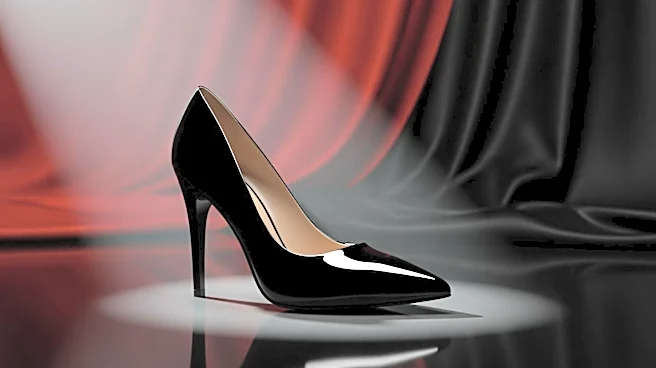
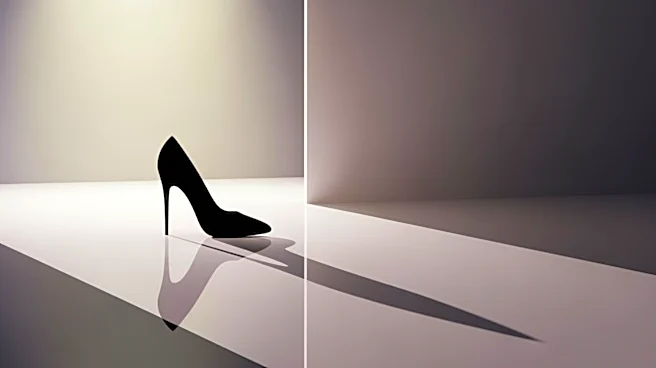
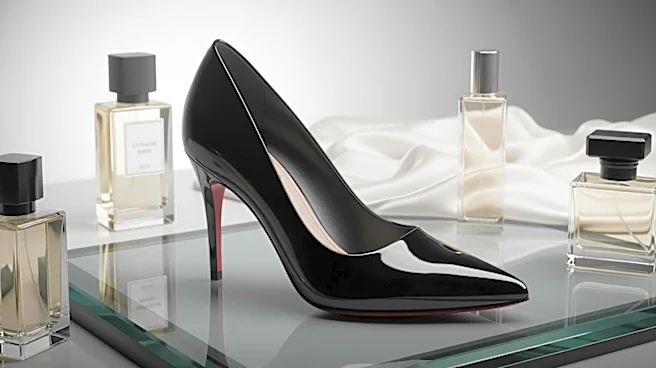
film, which has maintained a strong presence in popular culture over the past 20 years. The original film's dialogue and characters have continued to trend on social media platforms, providing a unique starting point for the sequel's promotional efforts. The campaign includes partnerships with brands like Diet Coke and Maybelline, which align with the film's fashion-centric theme. Experiential marketing tactics, such as a giant shoe installation and glam stations at theaters, have been employed to engage fans and create a memorable launch event.
Why It's Important?
The marketing strategy for 'The Devil Wears Prada' sequel highlights the power of nostalgia and fan engagement in driving interest and attendance for film releases. By tapping into the existing fan base and leveraging the cultural impact of the original film, Disney aims to create a significant box office success. This approach underscores the importance of understanding and utilizing social media trends and fan culture in modern marketing campaigns. The success of this strategy could influence how other studios approach sequels and reboots, emphasizing the value of maintaining a film's cultural relevance over time.
What's Next?
As the film opens, Disney will likely monitor box office performance and social media engagement to assess the effectiveness of their marketing strategy. The outcome could inform future campaigns for other sequels and reboots. Additionally, the film's reception may impact the potential for further installments or spin-offs, depending on audience demand and critical response. The marketing team's ability to adapt and respond to real-time feedback will be crucial in maximizing the film's success.
Beyond the Headlines
The campaign's focus on experiential marketing and brand partnerships reflects a broader trend in the entertainment industry towards creating immersive and interactive experiences for audiences. This approach not only enhances fan engagement but also provides additional revenue streams through brand collaborations. The success of such strategies could lead to more innovative marketing techniques in the future, as studios seek to differentiate their offerings in a competitive market.