

What's Happening?
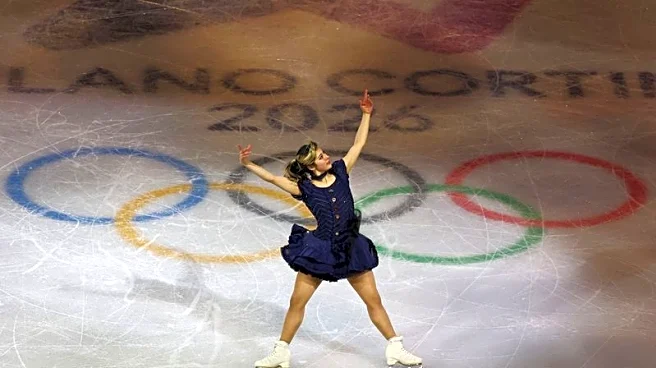
During the 2026 Milan Cortina Winter Games, U.S. figure skaters have demonstrated a notable shift in the competitive atmosphere, emphasizing camaraderie and mutual support. Athletes such as Glenn and her Japanese counterpart, Kaori Sakamoto, have set
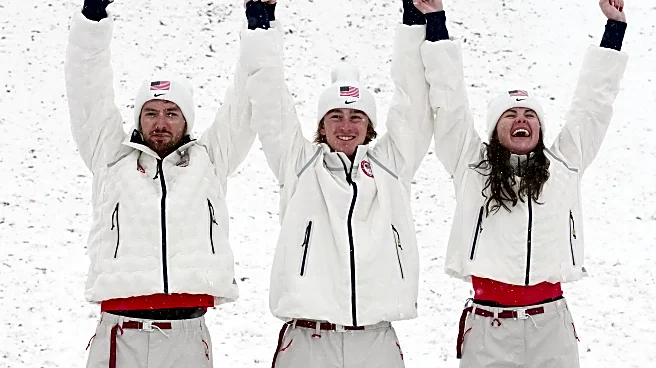
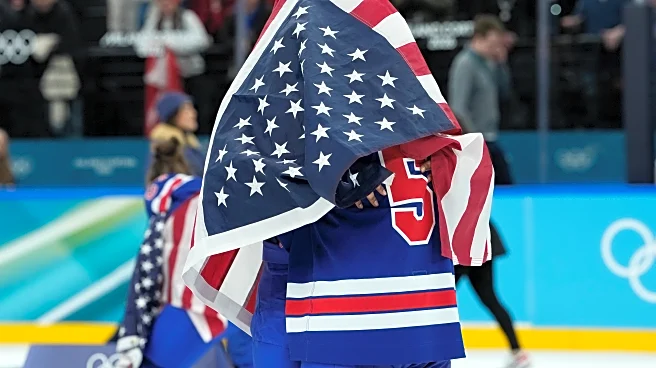
a positive tone, encouraging younger skaters to embrace friendship alongside competition. This change is evident in the interactions among the 'Blade Angels,' a trio of U.S. women’s figure skaters who have openly celebrated each other's successes. The team event, which debuted at the Olympics in 2014, has further fostered this spirit, allowing skaters to view their achievements as collective rather than individual. Team USA's gold medal win in the figure skating team event highlights the success of this approach.
Why It's Important?
The shift towards camaraderie among figure skaters at the Milan Cortina Games represents a broader cultural change within the sport. By prioritizing friendship and teamwork, athletes are working to elevate the image of figure skating, potentially increasing its popularity and viewership. This approach could lead to larger audiences and more sold-out events, reminiscent of the sport's peak in the 1990s. The emphasis on mutual support and creativity over individual competition may inspire future generations of skaters, fostering a healthier and more inclusive environment. This cultural shift could also influence other sports, promoting a more collaborative and supportive atmosphere across athletic disciplines.
What's Next?
As the Milan Cortina Games conclude, the figure skating community may continue to build on this newfound spirit of camaraderie. Future competitions and training camps will likely reinforce these values, encouraging athletes to support one another both on and off the ice. The success of the team event could lead to its expansion, offering more opportunities for skaters to compete collectively. Additionally, efforts to increase the sport's popularity may result in more media coverage and public interest, potentially revitalizing figure skating's status as a major spectator sport.
Beyond the Headlines
The emphasis on friendship and teamwork among figure skaters could have long-term implications for the sport's development. By shifting focus from individual achievements to collective success, athletes may foster a more inclusive and diverse community. This approach could also lead to innovations in training and performance, as skaters draw inspiration from each other's creativity. The cultural shift may challenge traditional notions of competition, promoting a more holistic view of athletic success that values personal growth and community support.