

What's Happening?
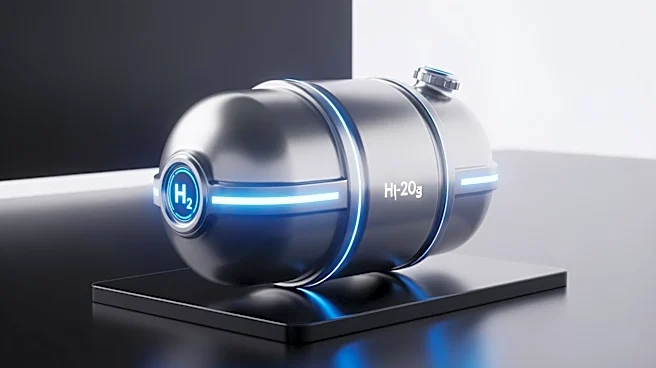
BMW Group has introduced a new hydrogen storage system for its iX5 Hydrogen model, which significantly extends the vehicle's range and integrates seamlessly with existing production lines. The BMW Hydrogen Flat Storage system is a seven-tank carbon-fiber
assembly that allows the iX5 Hydrogen to achieve a range of up to 750 kilometers (approximately 385 miles). This system is designed to store seven kilograms of hydrogen at a pressure of 700 bar and can be refueled in under five minutes. The innovative design enables the iX5 Hydrogen to be produced alongside other X5 variants, including battery-electric, plug-in hybrid, conventional, and fuel cell powertrains. The development of this system is part of the HyPowerDrive project, which is supported by significant funding from Germany's Federal Ministry of Transport and the state of Bavaria.
Why It's Important?
The introduction of the BMW Hydrogen Flat Storage system represents a significant advancement in hydrogen vehicle technology, potentially influencing the future of sustainable transportation. By extending the range and reducing refueling time, BMW is addressing two major challenges associated with hydrogen vehicles, making them more viable for consumers. This development could accelerate the adoption of hydrogen-powered vehicles, contributing to reduced carbon emissions and reliance on fossil fuels. Additionally, the ability to integrate this system into existing production lines without major modifications could lower manufacturing costs and encourage other automakers to explore similar technologies. The project also highlights the importance of government support in advancing clean energy technologies, as evidenced by the substantial funding from German authorities.
What's Next?
BMW plans to begin production of the iX5 Hydrogen with the new storage system in 2028. As the company moves forward, it will likely focus on refining the technology and expanding its hydrogen vehicle offerings. The automotive industry and environmental groups will be watching closely to see how this development impacts the market and consumer adoption of hydrogen vehicles. Additionally, other automakers may be prompted to accelerate their own hydrogen vehicle initiatives in response to BMW's advancements. The success of this project could also influence policy decisions regarding infrastructure development for hydrogen refueling stations, which is crucial for widespread adoption.