





What's Happening?
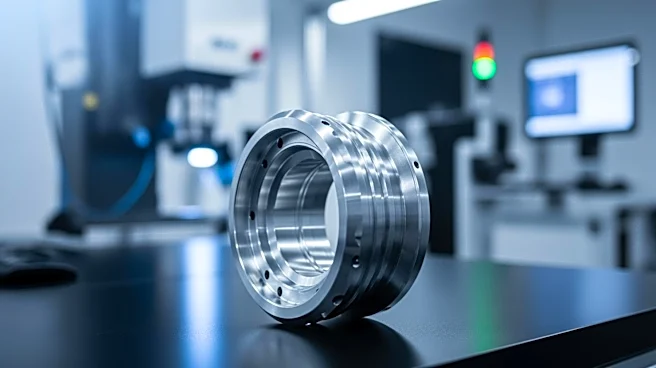
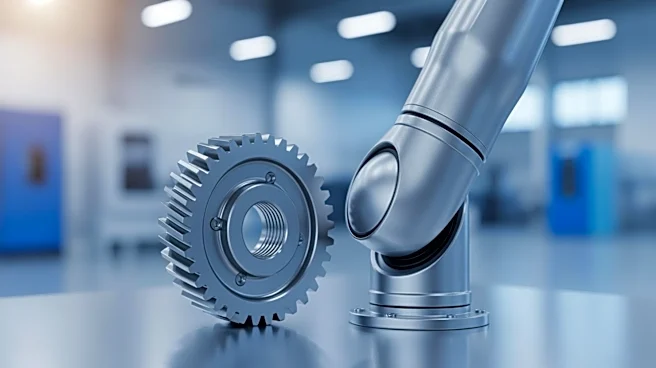
In 2026, robotics OEMs are increasingly turning to Chinese CNC manufacturers for precision parts necessary for factory automation. The demand for custom machined components such as actuator housings and gearbox flanges is high, with tight dimensional
tolerances being crucial for performance. Chinese CNC suppliers are attractive due to their machining capacity, material range, and cost-effectiveness. However, the challenge lies in qualifying these suppliers to ensure they meet the required standards without incurring high costs and risks. The qualification process involves evaluating equipment capability, tolerance range, and certification status before releasing requests for quotes. This shift is driven by the need for reliable suppliers who can handle complex materials and tight tolerances, essential for robotics hardware.
Why It's Important?
The move towards Chinese CNC suppliers is significant for the robotics industry as it seeks to scale production while maintaining quality. The ability to source precision parts from qualified suppliers can reduce costs and improve efficiency, crucial for companies looking to expand their market presence. This trend also highlights the growing importance of China in the global manufacturing landscape, particularly in high-tech sectors. For U.S. companies, this could mean increased competition and the need to innovate to maintain a competitive edge. The focus on supplier qualification underscores the importance of quality assurance in manufacturing, which can impact product reliability and customer satisfaction.
What's Next?
As robotics OEMs continue to rely on Chinese CNC suppliers, the emphasis on structured supplier qualification is expected to grow. This could lead to the development of more robust frameworks for evaluating suppliers, potentially involving third-party verification and increased transparency. Companies may also explore diversifying their supplier base to mitigate risks associated with geopolitical tensions or supply chain disruptions. The trend towards automation and precision manufacturing is likely to continue, driving further advancements in CNC technology and supplier capabilities.