

What's Happening?
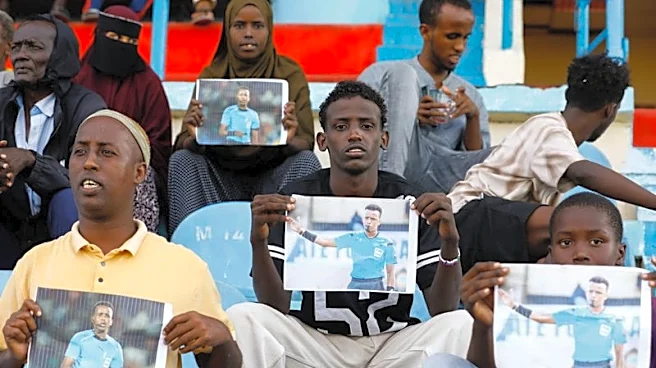
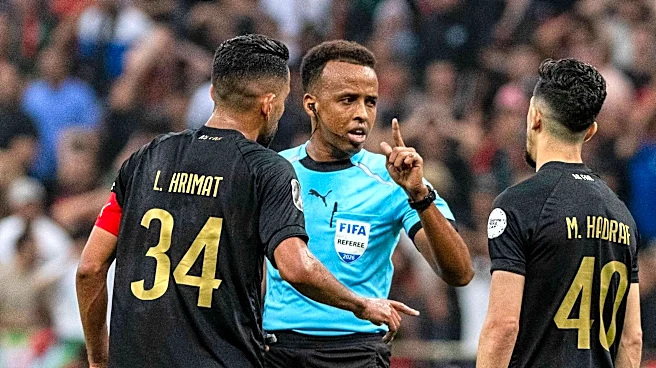
Omar Artan, a prominent Somali referee, was denied entry to the United States, where he was scheduled to officiate at the World Cup. Artan, who was set to become the first Somali referee at the World Cup, was stopped at Miami International Airport due
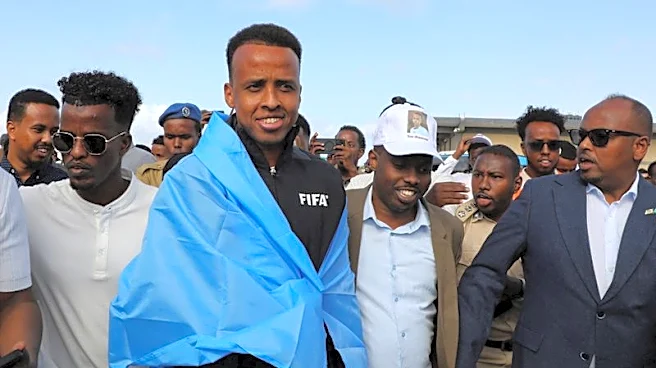
to 'vetting concerns' as stated by US Customs and Border Protection. Despite having a visa processed by the Somali embassy in Kenya, Artan was deemed inadmissible. Upon his return to Mogadishu, he was greeted by a large crowd of supporters and officials, expressing gratitude to the Somali government and FIFA for their support. Artan criticized the decision, labeling it unfortunate, and vowed to attend future World Cups.
Why It's Important?
The incident highlights ongoing tensions and challenges related to US immigration policies, particularly under the Trump administration, which has been known for its stringent vetting processes. This situation underscores the broader implications of such policies on international events and individuals, potentially affecting diplomatic relations and international perceptions of the US. For Somalia, Artan's reception as a hero reflects national pride and solidarity, emphasizing the importance of representation on global platforms like the World Cup. The decision also raises questions about the criteria and transparency of the vetting process used by US authorities.
What's Next?
Artan's case may prompt further discussions between Somali and US officials regarding visa and entry policies. FIFA and other international sports organizations might also review their protocols to support officials facing similar challenges. The Somali government may seek to engage in diplomatic efforts to ensure smoother participation in future international events. Additionally, this incident could lead to increased scrutiny of US immigration policies, especially concerning individuals from countries affected by travel bans or heightened security measures.