





What's Happening?
In a recent court testimony, Elon Musk confirmed that xAI, his AI company, has used distillation techniques on OpenAI models to train its own AI, Grok. Distillation involves using publicly accessible chatbots and APIs to train new AI models, a practice
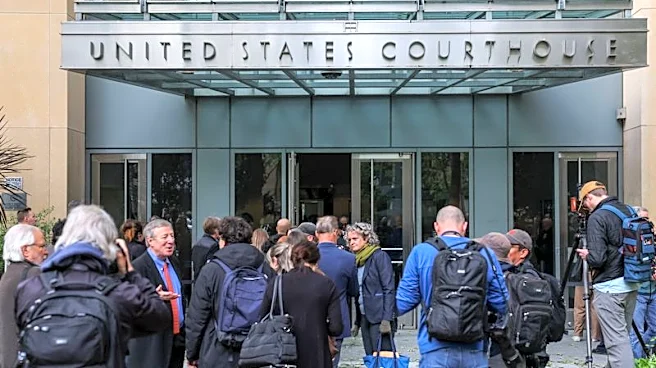
that has been controversial due to its potential to undermine the competitive advantage of established AI companies. Musk's admission comes amid a lawsuit he filed against OpenAI, alleging a breach of its original nonprofit mission. The trial, which began this week, highlights the competitive tensions in the AI industry, particularly regarding the use of distillation techniques.
Why It's Important?
Musk's testimony sheds light on the competitive dynamics within the AI industry, where companies are leveraging distillation to keep pace with leading AI providers. This practice poses a threat to established companies like OpenAI, which have invested heavily in infrastructure to maintain their competitive edge. The use of distillation could democratize AI development by allowing smaller companies to create advanced models at a lower cost. However, it also raises ethical and legal questions about intellectual property and the terms of service governing AI models. The outcome of Musk's lawsuit against OpenAI could have significant implications for the industry's regulatory landscape.
What's Next?
As the trial continues, the AI industry will be closely watching for any legal precedents that may arise regarding the use of distillation techniques. Companies like OpenAI, Anthropic, and Google are reportedly working to combat distillation attempts, particularly from Chinese firms, by sharing information and preventing mass queries. The industry's response to these challenges will likely shape future policies and practices around AI model training and intellectual property. Additionally, the trial's outcome could influence how AI companies approach competitive strategies and collaborations in the future.