
What's Happening?
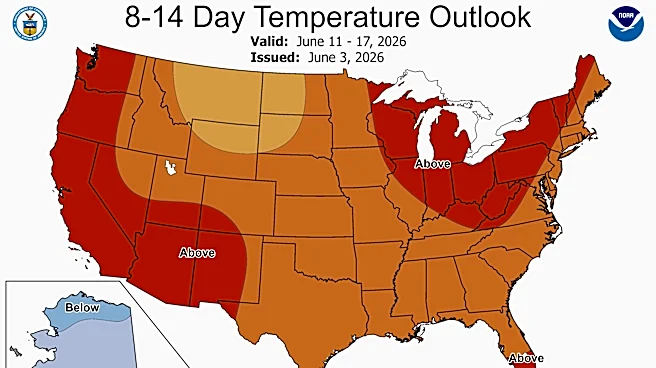
As summer approaches, fleet management faces unique challenges due to extreme weather conditions such as heatwaves, hurricanes, and wildfires. Jane Clark, Senior VP of Operations at NationaLease, emphasizes
the importance of summer maintenance for trucks to ensure operational efficiency. Key maintenance steps include checking fuel-water separators, testing coolant systems, maintaining air systems, and performing battery health checks. Additionally, tire pressures should be monitored frequently, and air conditioning systems should be inspected to ensure they are functioning properly. These measures are crucial to prevent breakdowns and ensure the safety of drivers during the summer months.
Why It's Important?
Proper summer maintenance is vital for fleet operators to minimize downtime and maintain delivery schedules. Extreme weather conditions can lead to road closures and infrastructure damage, complicating logistics planning. By ensuring that trucks are well-maintained, fleet managers can reduce the risk of breakdowns and improve the reliability of their operations. This not only protects the company's assets but also prioritizes the safety and well-being of drivers. In a competitive industry, maintaining high operational standards can enhance a company's reputation and customer satisfaction.
What's Next?
Fleet managers are expected to continue implementing proactive maintenance strategies to address the challenges posed by summer weather conditions. Real-time traffic and weather data will play a crucial role in logistics planning, allowing for timely adjustments to routes and schedules. Communication between dispatchers and drivers will be essential to navigate disruptions and ensure timely deliveries. As climate change leads to more frequent and severe weather events, the importance of robust fleet maintenance practices will only increase, prompting further innovations in fleet management.