

What's Happening?
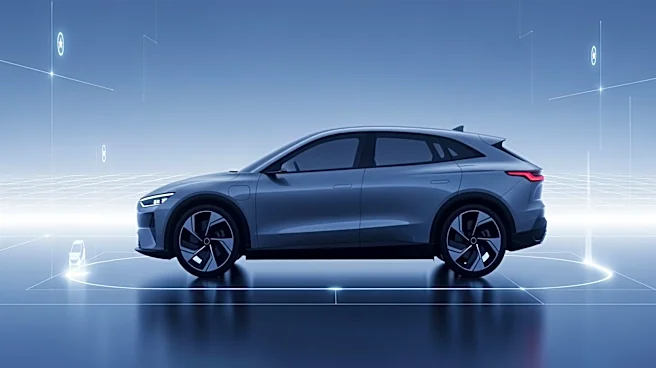
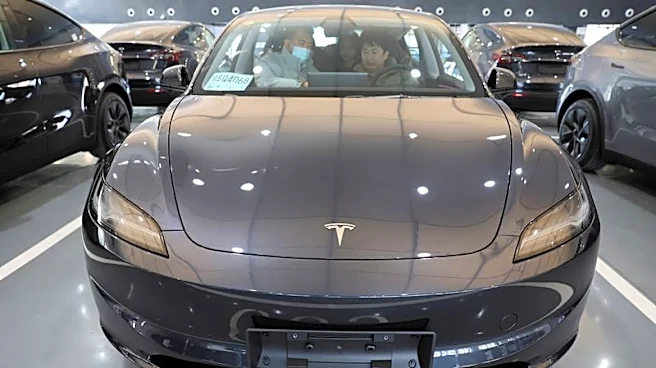
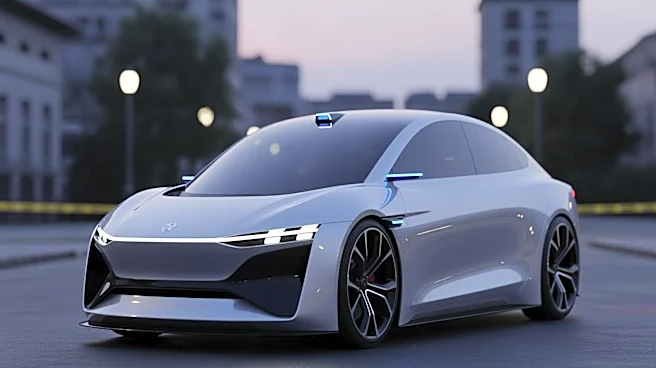
Tesla's Model Y has become the first vehicle to pass the National Highway Traffic Safety Administration's (NHTSA) new advanced driver assistance system (ADAS) benchmark tests. These updated evaluations are part of NHTSA's expanded New Car Assessment Program,
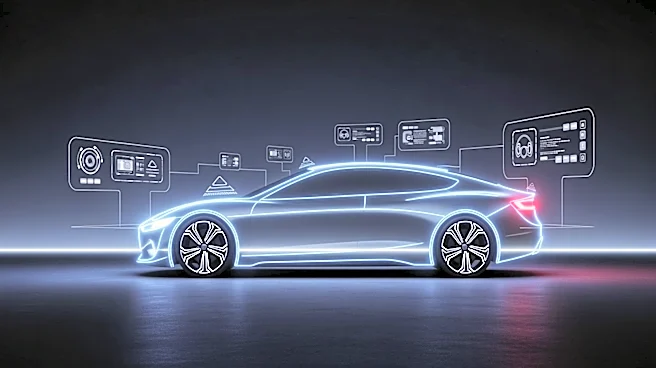
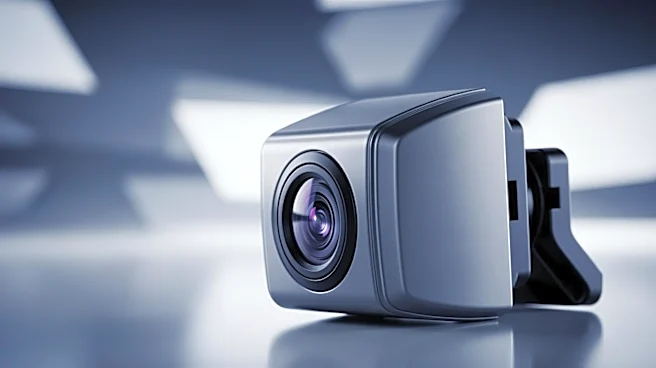
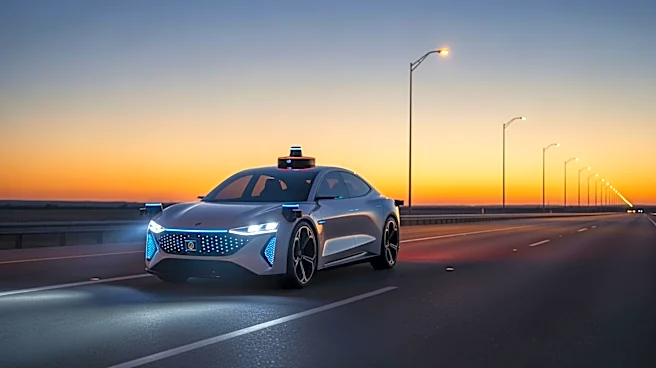
which now emphasizes crash-avoidance technologies over traditional crash-test protection ratings. The tests are designed as pass/fail evaluations and cover features such as pedestrian automatic emergency braking, lane-keeping assistance, blind-spot warning, and blind-spot intervention. Tesla Model Y vehicles built after November 12, 2025, successfully passed all four new ADAS categories, along with the program's existing driver-assistance criteria. NHTSA Administrator Jonathan Morrison stated that this achievement marks a significant step forward in providing consumers with comprehensive safety ratings, highlighting the lifesaving potential of driver assistance technologies.
Why It's Important?
The successful completion of these tests by Tesla's Model Y underscores the growing importance of advanced driver assistance systems in the automotive industry. As automakers increasingly market vehicles with automated driving features, the emphasis on active safety technology is becoming more pronounced. This development sets a high bar for the industry, potentially influencing other manufacturers to enhance their safety technologies to meet or exceed these new standards. For consumers, this means access to vehicles with improved safety features, potentially reducing the risk of accidents and enhancing overall road safety. The focus on crash-avoidance technologies also reflects a shift in regulatory priorities, which could lead to more stringent safety requirements in the future.
What's Next?
While Tesla's Model Y has set a new standard, the company's driver-assistance systems continue to face scrutiny. Federal regulators are still investigating the performance of Tesla's Full Self-Driving software in conditions with reduced visibility, such as fog, glare, and dust. This ongoing scrutiny suggests that while Tesla has achieved a significant milestone, there is still work to be done to ensure the reliability and safety of its autonomous driving technologies. The industry may see further regulatory developments as authorities seek to address these concerns and ensure that all vehicles equipped with advanced driver assistance systems meet high safety standards.