


What's Happening?
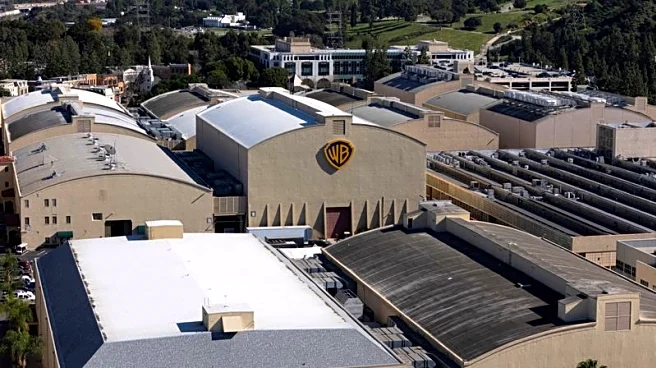
Director James Cameron has expressed strong opposition to Netflix's proposed acquisition of Warner Bros. Discovery's film studio, warning that it could lead to significant job losses in Hollywood and alter the U.S. theatrical landscape. In a letter to Senator Mike Lee, Cameron argued that the merger could negatively impact the film industry by reducing the number of theatrical releases. Netflix, however, has defended the deal, stating it would increase production investments and preserve jobs. The acquisition, valued at $72 billion, has sparked debate over its potential effects on the media industry, with Netflix executives asserting that it would be beneficial for consumers and workers.
Why It's Important?
The proposed merger between Netflix and Warner Bros. Discovery
is a pivotal moment for the media industry, as it could reshape the landscape of film production and distribution. Cameron's concerns reflect broader industry fears that such consolidations could lead to fewer film releases and reduced opportunities for filmmakers. On the other hand, Netflix's promise to increase production investments suggests potential growth in content creation. The outcome of this deal could set a precedent for future mergers and acquisitions in the media sector, influencing how content is produced and consumed.
What's Next?
The Senate subcommittee on antitrust, competitive policy, and consumer rights, chaired by Senator Mike Lee, is expected to hold further hearings to address the concerns raised by Cameron and others. The decision on whether to approve the merger will have significant implications for the media industry, potentially affecting job security and the availability of diverse content. Stakeholders, including filmmakers, industry advocates, and consumers, will be closely monitoring the developments.