

What's Happening?
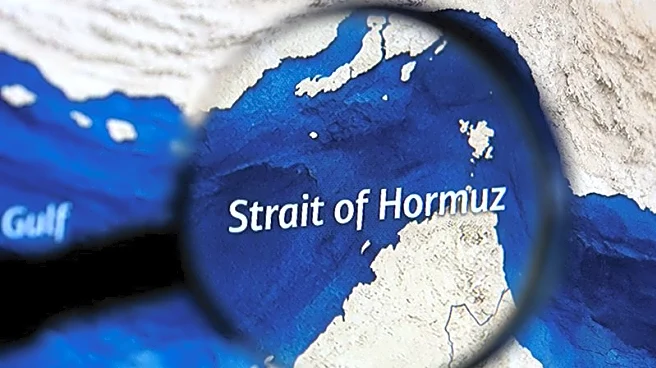
The ongoing conflict involving Iran has led to significant disruptions in the global helium supply chain, crucial for semiconductor manufacturing. Qatar, a major helium supplier, has seen its production capacity severely affected due to the conflict,
removing about a third of the global helium supply. This has shifted the market from an oversupply to an undersupply, causing prices to surge. While North American helium producers are expected to benefit from this disruption, Russia, the third-largest helium supplier, could also capitalize on the situation. The geopolitical tensions and trade restrictions, however, may limit Russia's ability to fully exploit this opportunity.
Why It's Important?
The helium supply disruption has significant implications for the semiconductor industry, which relies heavily on this gas for manufacturing processes. The shortage could lead to increased production costs and potential delays in chip manufacturing, affecting various sectors reliant on semiconductors, including technology and automotive industries. The situation underscores the vulnerability of global supply chains to geopolitical conflicts and highlights the strategic importance of diversifying supply sources. Companies in the U.S. and other regions may need to explore alternative suppliers or invest in helium recycling technologies to mitigate the impact.
What's Next?
As the conflict continues, stakeholders in the semiconductor industry will likely monitor the situation closely, seeking ways to secure stable helium supplies. This may involve negotiating new supply agreements or investing in technologies to reduce helium dependency. Additionally, geopolitical developments could influence the market dynamics, with potential diplomatic efforts to stabilize the region possibly affecting supply chains. The industry may also advocate for policy measures to support domestic helium production and reduce reliance on foreign sources.