






What's Happening?
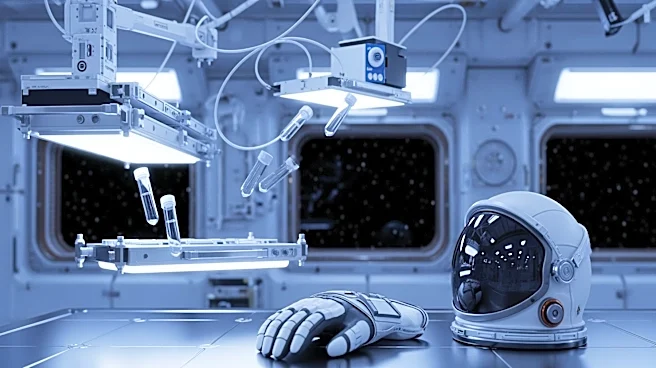
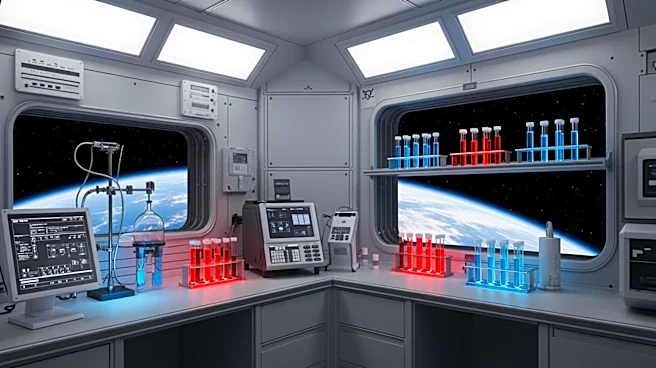
BioOrbit, a UK-based startup, has launched a drug-crystallization unit to the International Space Station (ISS) aboard a SpaceX flight. The unit, known as Box-E, is designed to grow ultra-pure protein crystals in microgravity, which can be used to develop
self-injected cancer drugs. The technology aims to produce medications that patients can administer at home, reducing the need for hospital visits. The process leverages the unique conditions of space to achieve crystallization not possible on Earth, potentially leading to more effective and stable drug formulations.
Why It's Important?
This development represents a significant advancement in pharmaceutical manufacturing, with the potential to transform cancer treatment. By enabling patients to self-administer drugs, the technology could reduce healthcare costs and improve patient convenience. The ability to produce high-quality protein crystals in space could lead to new drug formulations with longer shelf lives and enhanced efficacy. This innovation aligns with broader trends in personalized medicine and home healthcare, offering a glimpse into the future of drug delivery systems.
What's Next?
BioOrbit plans to conduct further tests on the ISS to refine the crystallization process and scale up production. The company aims to partner with pharmaceutical firms to bring these new drug formulations to market. Regulatory approval and clinical trials will be necessary before the drugs can be widely distributed. If successful, BioOrbit's technology could be applied to other treatments, expanding its impact beyond cancer therapy. The company is also exploring opportunities to increase production capacity by deploying additional units in space.