






What's Happening?
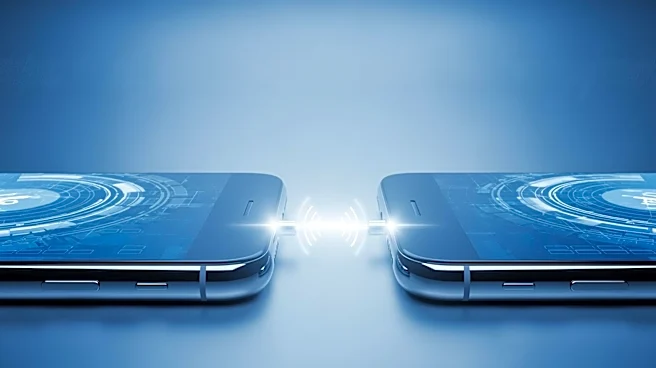
The Brick is a device designed to help users limit their smartphone screen time by physically blocking access to selected apps and websites. It connects wirelessly to smartphones using Near Field Communication (NFC) technology, similar to Apple Pay. Users
can initiate a 'Brick session' through the Brick app, which prevents access to apps and websites until the session is ended by tapping the phone on the Brick device again. The Brick has gained popularity among those seeking to reduce digital consumption, offering a more tangible solution compared to software-based screen time limits. Users are provided with five 'Emergency Unbricks' to regain access without the physical Brick if needed.
Why It's Important?
The Brick device addresses the growing concern over excessive screen time, particularly among younger generations who are increasingly aware of the negative impacts of digital overconsumption. By providing a physical barrier to app access, the Brick offers a unique approach to managing screen time, which could influence consumer habits and the market for digital wellness products. The device's popularity reflects a broader trend towards seeking solutions for healthier tech usage, potentially impacting how tech companies design their products and services to accommodate this demand.
What's Next?
As the demand for screen time management solutions grows, the Brick and similar devices may see increased adoption. This could lead to further innovation in the digital wellness space, with companies exploring new ways to integrate physical and digital solutions. Additionally, the success of the Brick may prompt tech companies to develop more comprehensive screen time management features within their devices, potentially influencing industry standards and consumer expectations.
Beyond the Headlines
The Brick's emergence highlights the consumerist cycle surrounding digital consumption, where users purchase technology to manage their use of other technology. This raises questions about the sustainability and effectiveness of such solutions, as well as the ethical implications of marketing products that capitalize on digital addiction. The device also prompts a reevaluation of personal habits and the societal norms around smartphone usage, potentially leading to cultural shifts in how technology is perceived and utilized.