


What's Happening?
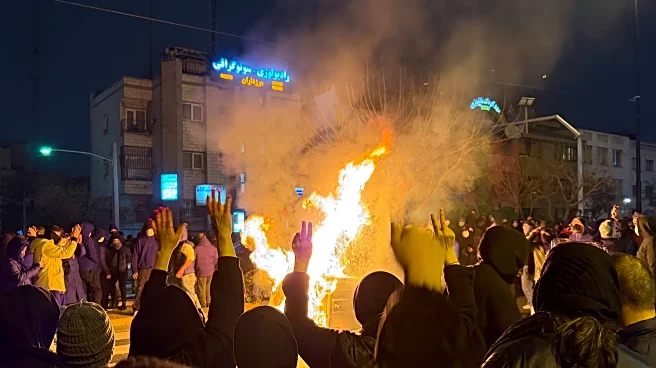
Huda Kattan, the founder of Huda Beauty, is under fire after sharing a video on Instagram that many interpreted as supportive of the Iranian regime. The video, from TRT World, showed a pro-regime demonstration in Iran, leading to accusations that Kattan was endorsing the government's actions amidst a violent crackdown on protests. These protests, which began in late December 2025, have reportedly resulted in over 36,500 deaths, with women and young people being disproportionately affected. Critics argue that Kattan's post undermines efforts to highlight the regime's human rights abuses. In response to the backlash, Kattan deleted the post and clarified her stance, stating she does not support the regime and opposes foreign intervention.
Why It's Important?
This
incident underscores the significant influence that public figures and brands have in shaping political narratives. Kattan's actions have sparked a broader debate about the responsibilities of influencers and companies in addressing human rights issues. The backlash also highlights the power of consumer activism, as calls for a boycott aim to hold Kattan accountable and pressure retailers to reconsider their associations with her brand. This situation reflects a growing trend where consumers demand greater ethical accountability from brands, particularly those with global reach and influence.
What's Next?
The boycott against Huda Beauty is likely to continue, with activists calling on major retailers like Sephora to take action. The response from these retailers will be crucial in determining the long-term impact on Kattan's brand. This situation may also prompt other companies to reevaluate their social media strategies and the potential risks of engaging in political discourse. As protests in Iran persist, the focus will remain on how global brands and influencers navigate their roles in such complex geopolitical contexts.