




What's Happening?
The U.S. government has approved approximately 10 Chinese companies to purchase Nvidia's H200 AI chip, yet no deliveries have been made. This delay is attributed to Chinese firms hesitating after receiving guidance from Beijing, amid increasing pressure
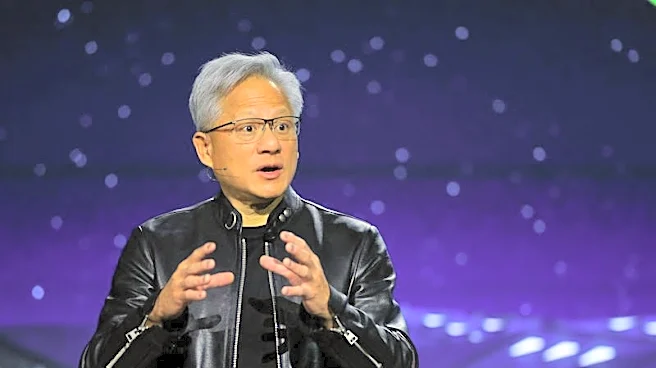
to block or closely scrutinize these orders. The situation has caused concern in Beijing over potential tampering or hidden vulnerabilities in the chips. Despite the approval, the sales have not materialized, leaving a significant technology deal in limbo. Nvidia CEO Jensen Huang is seeking a breakthrough in China, as the U.S.-China tech rivalry complicates even approved trade agreements.
Why It's Important?
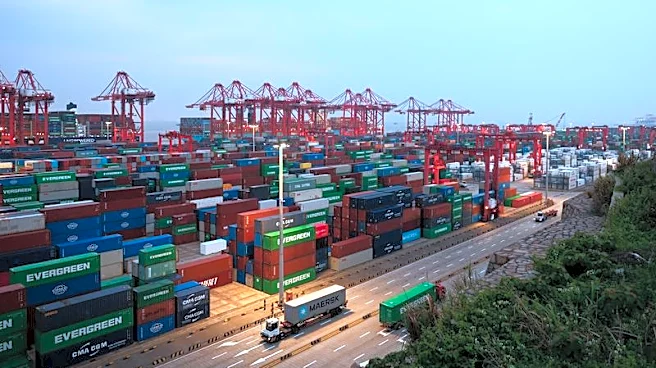
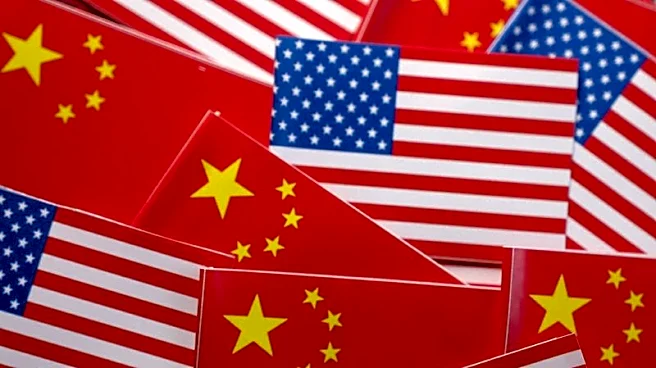
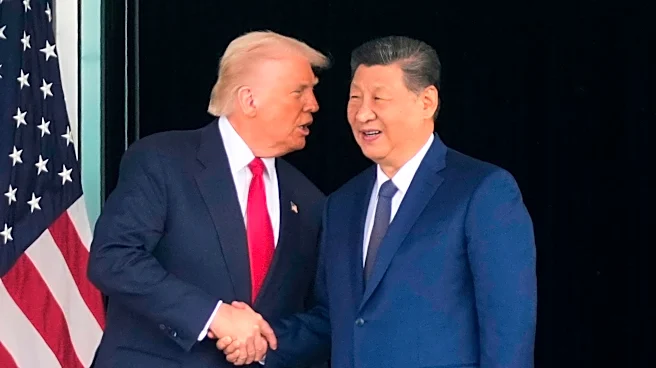
The delay in chip sales highlights the ongoing tensions in U.S.-China tech relations. The approval of these sales was seen as a potential step towards easing trade tensions, but the lack of progress underscores the complexities involved. For U.S. companies like Nvidia, China represents a significant market, and the inability to finalize these sales could impact their revenue and market position. Conversely, the delay is welcomed by China hardliners in Washington, who argue that restricting chip sales could prevent China from closing the technological gap with the U.S. This situation reflects broader geopolitical dynamics and the strategic importance of technology in international relations.
What's Next?
The future of these chip sales remains uncertain. If the sales proceed, it could signal a thaw in U.S.-China tech relations, but continued delays may lead to increased tensions. The U.S. and China may engage in further negotiations to address mutual concerns, potentially involving high-level diplomatic discussions. The outcome of these negotiations could influence future trade policies and the global tech landscape. Stakeholders, including U.S. tech companies and Chinese firms, will be closely monitoring developments to assess the impact on their operations and strategic planning.