



What's Happening?
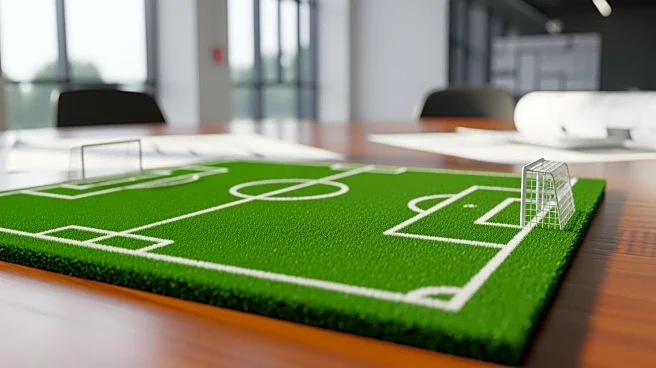
The Vancouver Whitecaps FC, in partnership with the B.C. government and viaSport, announced plans to construct 20 mini soccer pitches across British Columbia. This initiative aims to celebrate the 2026 FIFA World Cup and ensure a lasting impact on the province.
The project will be funded with a total of $13 million, with contributions from the province, viaSport, and in-kind support from the Whitecaps. The pitches will be distributed across various economic regions, with at least two pitches per region. The Whitecaps will manage the program, and communities can apply for pitches through the team's website. Despite the uncertain future of the Whitecaps in Vancouver, the team is committed to transparency and fairness in the application process.
Why It's Important?
This initiative is significant as it aims to promote sports and community engagement across British Columbia, leveraging the global attention from the 2026 FIFA World Cup. By providing accessible sports facilities, the project supports physical activity and community development. The decision to avoid artificial turf addresses environmental concerns, particularly the impact of crumb rubber on local waterways. This move reflects a commitment to sustainability and environmental protection, aligning with broader ecological goals. The project also highlights the collaborative efforts between government, sports organizations, and local communities to enhance public infrastructure and promote healthy lifestyles.
What's Next?
Communities interested in hosting a mini soccer pitch can soon apply through the Vancouver Whitecaps' website. The selection process will be managed by the Whitecaps, who have pledged transparency and fairness. As the team is currently up for sale and seeking a new stadium, the future of the Whitecaps in Vancouver remains uncertain. However, the commitment to this project suggests continued investment in community sports infrastructure. Stakeholders will likely monitor the environmental impact of the pitches, ensuring compliance with sustainability standards. The success of this initiative could inspire similar projects in other regions, fostering broader community engagement and sports participation.
Beyond the Headlines
The decision to avoid artificial turf in the construction of these pitches addresses significant environmental concerns. A study by the University of British Columbia highlighted the harmful effects of chemicals from crumb rubber on local aquatic life, particularly coho salmon. By opting for hardcourt surfaces, the project mitigates potential ecological damage, setting a precedent for environmentally conscious sports infrastructure. This approach may influence future developments in sports facilities, encouraging the use of sustainable materials. Additionally, the project underscores the role of sports in community building, offering a platform for social interaction and physical activity.