
What's Happening?
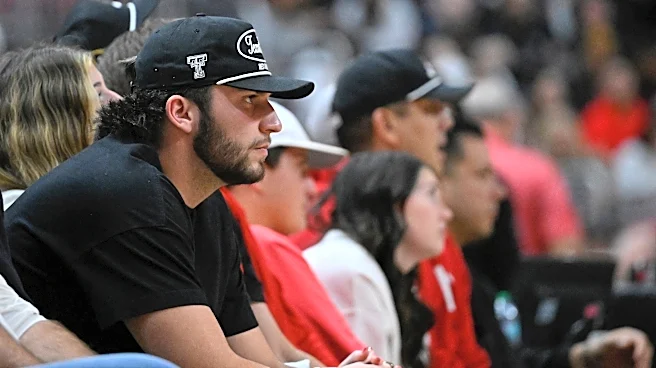
LSU's football team achieved significant victories in the 2015 and 2016 bowl games, showcasing their defensive strength against top-tier college quarterbacks. In the 2015 Texas Bowl, LSU faced Texas Tech,
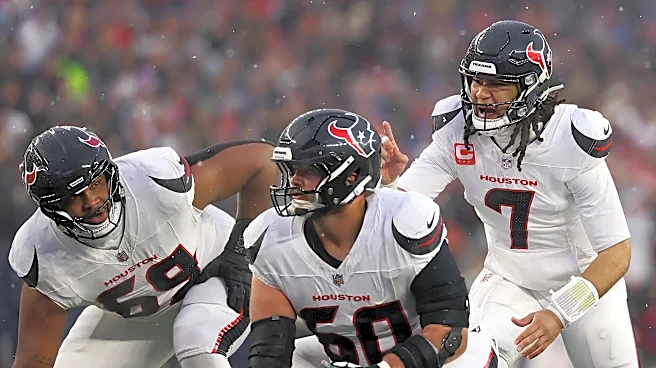
led by quarterback Patrick Mahomes, who would later become an NFL MVP. Despite Mahomes' impressive performance, LSU's defense, led by linebacker Kendall Beckwith, managed to sack him six times and secure a 56-27 victory. The following year, in the 2016 Citrus Bowl, LSU's defense again excelled by limiting Louisville's Heisman Trophy-winning quarterback Lamar Jackson to just 33 rushing yards and sacking him eight times. LSU's defensive efforts were complemented by strong offensive performances, with Leonard Fournette and Derrius Guice leading the rushing attack in their respective games.
Why It's Important?
These victories underscore LSU's ability to perform under pressure against formidable opponents, highlighting the team's defensive capabilities and strategic prowess. The success against quarterbacks like Mahomes and Jackson, who have both achieved significant success in the NFL, demonstrates LSU's role in developing talent capable of competing at the highest levels. These games also contributed to LSU's reputation as a powerhouse in college football, enhancing its appeal to recruits and solidifying its status in the sport. The wins not only reflect the team's historical strength but also set a benchmark for future performances.
What's Next?
LSU's continued success in bowl games is likely to influence its recruitment strategies and player development programs. The team's ability to attract top talent and maintain a competitive edge will be crucial as they aim to replicate past successes in future seasons. Additionally, the performances in these games may inspire current and future players to uphold the high standards set by their predecessors, fostering a culture of excellence within the program.
Beyond the Headlines
The defensive strategies employed by LSU in these games could serve as a case study for other teams looking to neutralize high-caliber quarterbacks. The ability to adapt and execute effective game plans against elite opponents is a testament to the coaching staff's expertise and the players' discipline. These games also highlight the importance of a balanced team, where both offensive and defensive units contribute to overall success, reinforcing the notion that football is a team sport requiring cohesion and collaboration.