



What's Happening?
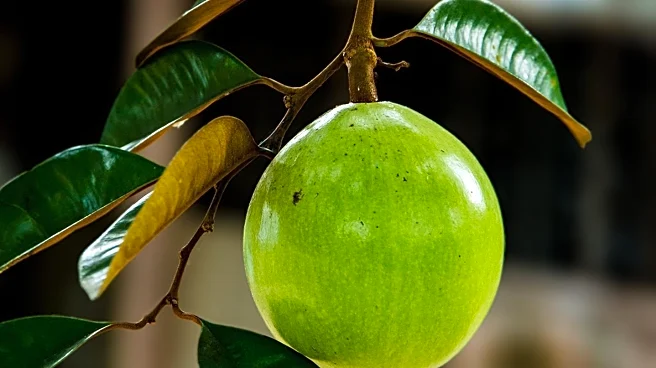
A study published in the Journal of the Science of Food and Agriculture reveals that monk fruit, commonly used as a zero-calorie sugar substitute, contains a variety of bioactive compounds with potential health benefits. Researchers in China identified antioxidants, flavonoids, terpenoids, and amino acids in monk fruit, which are linked to anti-inflammatory and metabolic processes. Traditionally used in southern China for its sweetening properties, monk fruit is now being recognized for its broader health implications. The study highlights the fruit's potential to contribute to antioxidant defenses and its interaction with biological pathways related to inflammation and metabolism.
Why It's Important?
The findings of this study could influence the food and health
industries by promoting monk fruit as a healthier alternative to traditional sweeteners. The presence of bioactive compounds suggests that monk fruit may offer additional health benefits beyond its use as a sugar substitute. This could lead to increased consumer interest in monk fruit-based products and encourage further research into its nutritional properties. The study also underscores the importance of understanding the chemical complexity of natural sweeteners and their potential impact on health.
What's Next?
Further research is needed to determine whether monk fruit sweeteners provide the same health benefits as the whole fruit. The study's authors call for more detailed investigations into the metabolic profiles of different monk fruit varieties. As the demand for natural and healthier sweeteners grows, the food industry may explore new ways to incorporate monk fruit into products, potentially leading to innovations in food manufacturing and nutrition research.