






What's Happening?
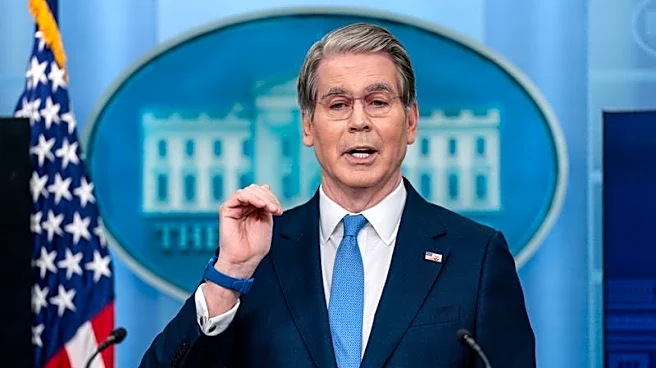
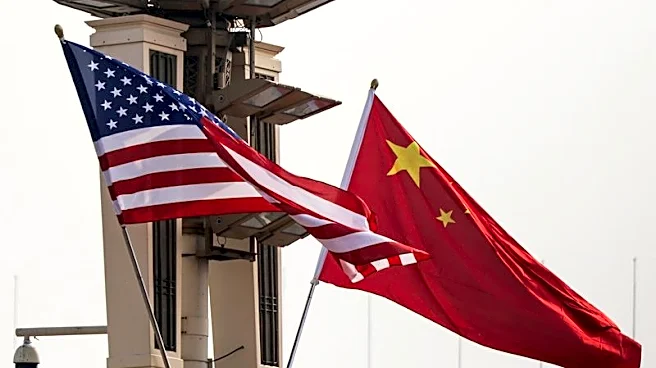
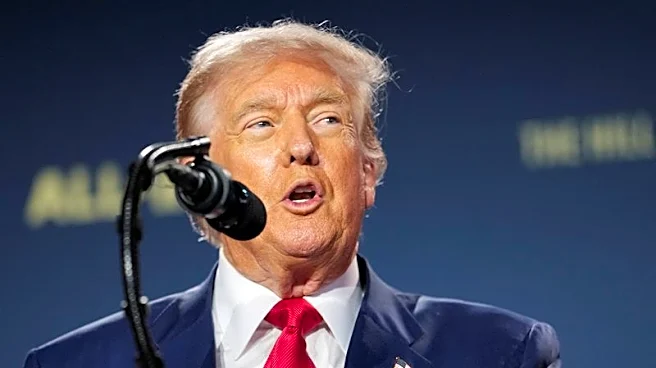
Recent trade discussions between the United States and China have resulted in new commitments that could significantly impact U.S. agriculture. Following meetings between President Trump and Chinese President Xi Jinping in Beijing, the White House announced
a series of trade agreements aimed at expanding bilateral commerce. These agreements include China's commitment to purchase at least $17 billion annually in additional U.S. agricultural products from 2026 to 2028. This is separate from previous soybean purchase commitments made in 2025. The agreements also restore market access for certain U.S. livestock products and include reciprocal tariff reductions to facilitate agricultural trade. Additionally, two new bilateral boards, the Board of Trade and the Board of Investment, have been established to strengthen economic relations. These boards will focus on identifying non-strategic goods for tariff elimination and recommending sectors for Chinese investment in the U.S. without additional Treasury review.
Why It's Important?
The new trade commitments are crucial for U.S. farmers and ranchers who have been facing tight margins due to fluctuating market conditions. The agreements open up significant export opportunities in a critical market, potentially boosting demand for U.S. exports such as soybeans, cotton, and sorghum. The restoration of beef and poultry trade access to China, a major global market, creates immediate opportunities for U.S. livestock producers. However, the long-term impact of these commitments will depend on their implementation and enforcement. Historically, U.S. agricultural exports to China have been substantial, reaching a record $40.9 billion in 2022. However, exports have since declined as China diversified its suppliers. The new commitments could help restore trade levels to earlier highs, benefiting the U.S. agricultural sector.
What's Next?
The success of these trade commitments will largely depend on their implementation and the ability of both countries to adhere to the agreed terms. U.S. farmers and agricultural stakeholders will be closely monitoring the enforcement of these agreements to ensure that the promised market access and tariff reductions are realized. The establishment of the Board of Trade and the Board of Investment could lead to further economic collaboration, potentially opening new avenues for trade and investment. As these developments unfold, stakeholders will be assessing the impact on U.S. agricultural exports and the broader economic relationship between the two nations.