





What's Happening?
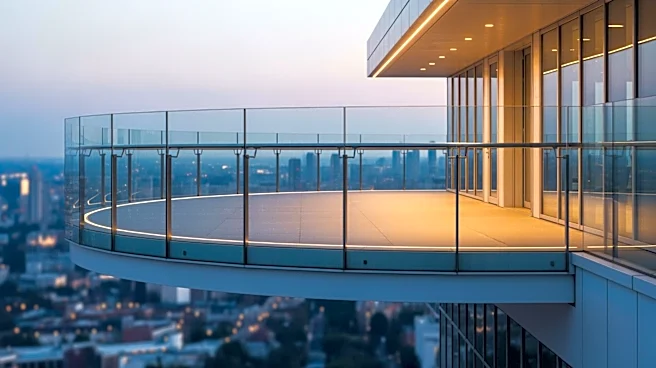
Mariah Carey has put her Tribeca penthouse on the market for $27 million. The triplex, located atop 90 Franklin Street, spans 12,700 square feet and includes 1,100 square feet of outdoor space with views of the Hudson River and Manhattan skyline. The penthouse,
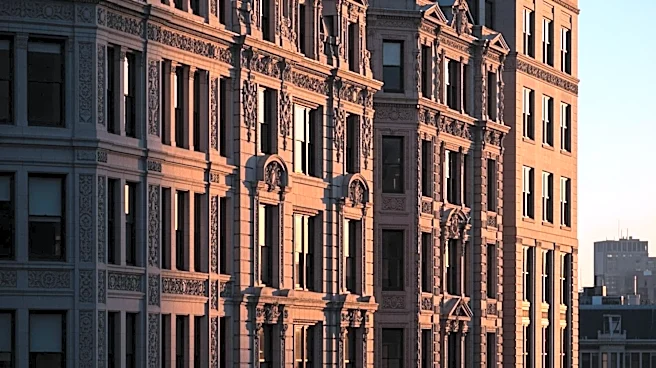
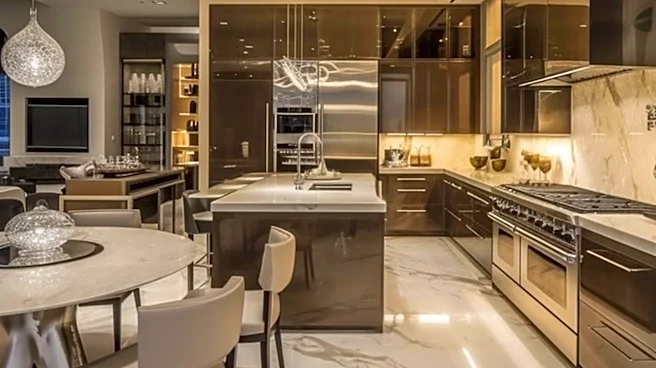
which was featured in Architectural Digest and 'MTV Cribs,' showcases opulent interiors designed by Mario Buatta. Carey originally purchased the property in 1999 for $9 million, combining two top-floor units in the historic Franklin Tower, a former bank building converted into apartments. The listing marks the first time the home will be available since Carey lived there, offering potential buyers a chance to own a piece of celebrity history.
Why It's Important?
The sale of Mariah Carey's penthouse highlights the ongoing demand for luxury real estate in Manhattan, particularly in the Tribeca area, known for its high-profile residents and historic architecture. This listing not only reflects the value of celebrity-owned properties but also underscores the appeal of unique, expansive living spaces in urban settings. The penthouse's availability may attract affluent buyers and developers interested in iconic properties with potential for customization. Additionally, the sale could influence market trends, setting a benchmark for luxury real estate prices in the area.
What's Next?
Potential buyers and developers may view the penthouse as an opportunity to invest in a prestigious property with historical significance and celebrity appeal. The listing could spark interest from international buyers seeking exclusive real estate in New York City. As the property enters the market, real estate agents and luxury home enthusiasts will likely monitor its sale closely, considering its impact on Tribeca's real estate landscape. The penthouse's unique features and location may also inspire future developments in the area, emphasizing the blend of historic charm and modern luxury.
Beyond the Headlines
Beyond its celebrity ownership, the penthouse offers insights into the evolving nature of luxury real estate, where historical buildings are repurposed to meet contemporary living standards. The property's transformation from a bank to a residential space reflects broader trends in urban development, where adaptive reuse of buildings preserves architectural heritage while catering to modern demands. This approach not only enhances the city's cultural landscape but also promotes sustainable development practices by maximizing existing structures.