




What's Happening?
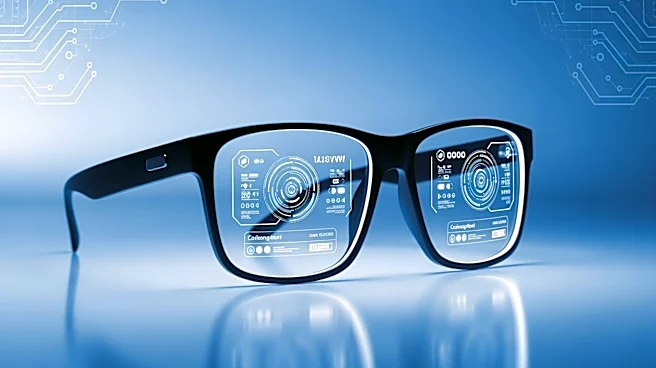
In May 2026, live-captioning glasses have entered the mainstream, offering real-time AI-generated captions for users. This development is significant as it represents a maturation of captioning technology, making it practical for everyday use. Major tech companies,
including Apple, are reportedly testing new smart-glasses designs, indicating a commitment to advancing this technology. While early tests show limitations such as close-range accuracy and sensitivity to ambient noise, the potential for improved accessibility in meetings and public events is substantial.
Why It's Important?
The introduction of live-captioning glasses is a major step forward in accessibility technology, providing real-time assistance to individuals who rely on captions. This could transform how people with hearing impairments engage in public and professional settings, offering greater independence and participation. However, the technology also raises privacy concerns, as the use of cameras and live transcription in public spaces may require new policies and consent protocols. The widespread adoption of such technology could lead to significant changes in workplace and public venue policies.
What's Next?
As the technology becomes more widely available, there will likely be increased demand for regulatory frameworks to address privacy and consent issues. Companies may need to develop guidelines for the use of live-captioning glasses in various settings. The market for smart glasses is expected to grow, with more consumer models anticipated to launch in 2026. This could lead to competitive advancements in design and functionality, further enhancing the user experience. Stakeholders will need to balance the benefits of accessibility with the need for privacy protections.