

What's Happening?
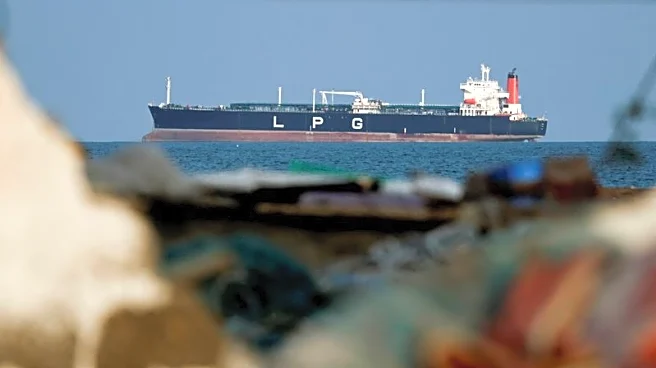
The U.S. Treasury Department has issued a 30-day sanctions waiver allowing the sale of Iranian oil at sea, effective from March 20 to April 19. This decision, announced by Treasury Secretary Scott Bessent, aims to release approximately 140 million barrels
of Iranian crude oil and petroleum products into global markets. The waiver is part of a broader strategy, known as Operation Epic Fury, to mitigate the impact of rising oil prices following U.S. and Israeli military actions against Iran. The waiver excludes transactions involving North Korea, Cuba, and regions of Ukraine occupied by Russia. This marks the third temporary easing of sanctions on oil from U.S. adversaries in recent weeks, following similar actions on Russian oil.
Why It's Important?
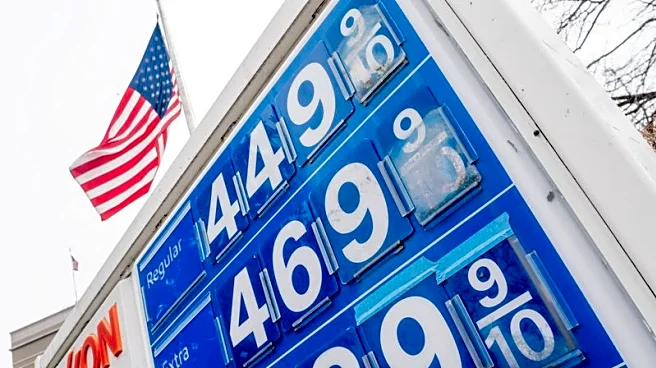
The waiver is significant as it addresses the surge in global oil prices, which have exceeded $100 per barrel, the highest since 2022. By increasing the supply of oil, the U.S. aims to stabilize prices, benefiting both domestic consumers and businesses. The move is also strategically timed ahead of the November midterm elections, where economic conditions could influence voter sentiment. Additionally, the waiver is expected to benefit major importers of Iranian oil, such as China, by providing them with increased supply. However, the U.S. maintains its stance on limiting Iran's access to international financial systems, ensuring that the revenue from these sales does not bolster Iran's economy.
What's Next?
The immediate impact of the waiver will be observed in the global oil markets, with potential price adjustments as the additional supply becomes available. Energy Secretary Chris Wright indicated that the oil could reach Asian markets within days, with full market integration expected over the next month and a half. The U.S. will continue to monitor the situation, balancing the need to control oil prices with its broader geopolitical objectives. The administration's approach may face scrutiny from political opponents and allies, particularly regarding its implications for U.S.-Iran relations and the broader Middle East geopolitical landscape.