
What's Happening?
BP has reported a significant increase in profits for the first quarter, more than doubling its earnings compared to the previous year. This surge is attributed to the ongoing conflict in Iran, which has driven
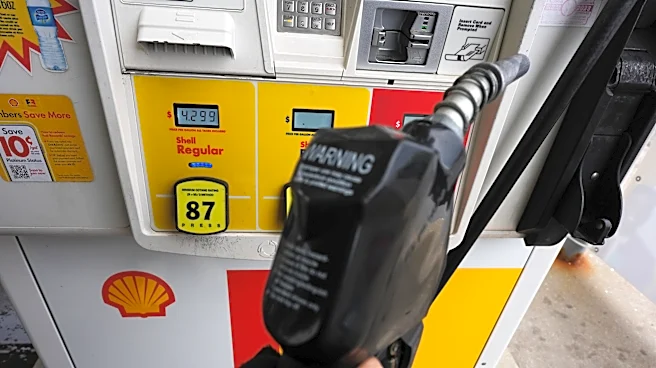
up global oil prices. The near closure of the Strait of Hormuz, a critical passage for global oil supply, has exacerbated the situation, leading to increased energy costs worldwide. As a result, U.S. gasoline prices have reached new highs, causing financial strain on consumers and businesses sensitive to fuel costs, such as airlines. The Trump administration has shown reluctance to accept Iran's offer to end the conflict, which involves lifting the U.S. blockade on Iran.
Why It's Important?
The rise in BP's profits highlights the broader economic impact of geopolitical tensions on global energy markets. The increase in oil prices has led to higher gasoline costs in the U.S., affecting consumers and businesses alike. This situation underscores the vulnerability of global energy supply chains to regional conflicts, particularly in areas like the Middle East. The financial strain on U.S. households and businesses could lead to increased calls for government intervention, such as windfall taxes on energy companies or measures to stabilize fuel prices. Additionally, the situation may influence U.S. foreign policy decisions regarding the Middle East.
What's Next?
As the conflict in Iran continues, the global energy market remains volatile. Other major oil companies are expected to report their earnings soon, which may reflect similar profit increases due to the current market conditions. The U.S. government may face pressure to address the rising energy costs and consider diplomatic or economic measures to mitigate the impact on American consumers. The ongoing situation could also prompt discussions on energy independence and the need for alternative energy sources to reduce reliance on volatile regions.