






What's Happening?
Airlines are increasingly relying on alliances and partnerships to navigate global disruptions such as rising fuel prices and geopolitical tensions. These collaborations extend beyond traditional loyalty programs, serving as operational safety nets that
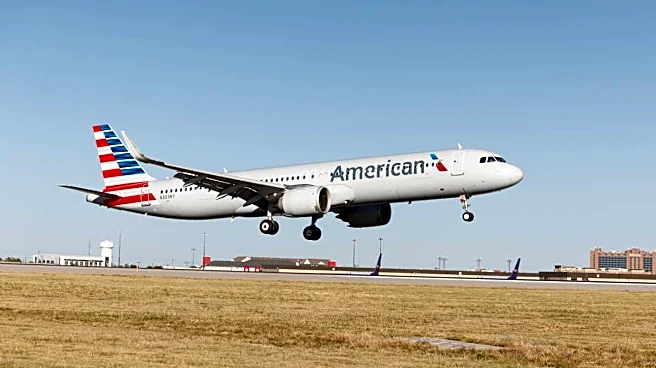
allow airlines to reroute passengers and stabilize long-haul routes. At the Aviation Festival Americas conference, industry leaders highlighted the importance of these partnerships in maintaining network reach and economic viability. For instance, American Airlines' long-haul routes depend heavily on partner connectivity, while Virgin Atlantic leverages its partnership with Delta Air Lines for expanded reach.
Why It's Important?
The reliance on alliances and partnerships underscores their critical role in the airline industry's resilience. These collaborations enable airlines to adapt to changing market conditions and maintain service continuity, which is vital for profitability and customer satisfaction. As airlines face challenges like airspace closures and fluctuating demand, partnerships provide the flexibility needed to sustain operations. This approach not only supports airlines' financial health but also enhances the travel experience by offering seamless connectivity across networks.
Beyond the Headlines
The evolution of airline partnerships reflects broader industry trends towards integration and customer-centric service. As technology and personalization become integral to these collaborations, airlines are focusing on creating frictionless travel experiences. This shift highlights the importance of strategic alliances in achieving long-term sustainability and competitiveness in the aviation sector.