


What's Happening?
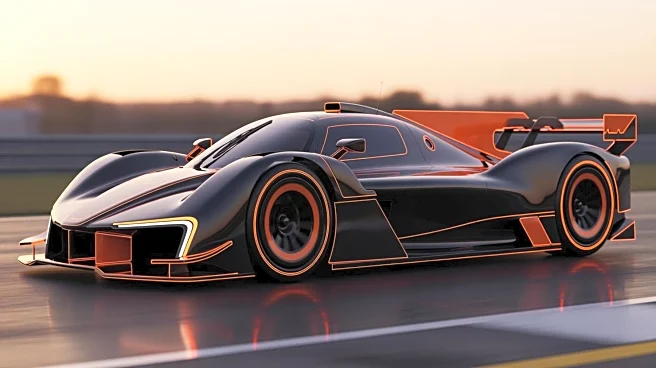
Max Verstappen, a four-time world champion and Red Bull Racing driver, has expressed concerns about the new Formula 1 regulations for the 2026 season. These regulations represent a significant shift in the sport, focusing on sustainability with new chassis and power units that rely more on electrical energy. Verstappen described the new driving experience as 'not very Formula 1-like,' comparing it to 'Formula E on steroids.' Despite these concerns, Verstappen remains motivated for the upcoming season, acknowledging that the rules apply equally to all teams. He emphasized the challenge of adapting to the new energy management techniques required by the regulations, which impact driving style and strategy.
Why It's Important?
The introduction of new regulations in Formula
1 is a pivotal moment for the sport, aiming to enhance sustainability and reduce environmental impact. Verstappen's concerns highlight the tension between maintaining the essence of traditional racing and embracing technological advancements. His comments may resonate with other drivers and teams who are adjusting to the new dynamics of the sport. The ability of teams like Red Bull to adapt to these changes will be crucial in determining their success in the 2026 season. Verstappen's motivation, despite his reservations, suggests a commitment to overcoming these challenges and competing at the highest level.
What's Next?
As the 2026 season progresses, teams and drivers will continue to adapt to the new regulations, with further testing and development expected. Red Bull Racing, in particular, will focus on optimizing their new power unit and refining their strategies to align with the regulatory changes. Verstappen's feedback may influence ongoing discussions within the sport about the balance between sustainability and racing excitement. The upcoming races will provide further insights into how these changes impact the competitive landscape and the overall experience of Formula 1.