



What's Happening?
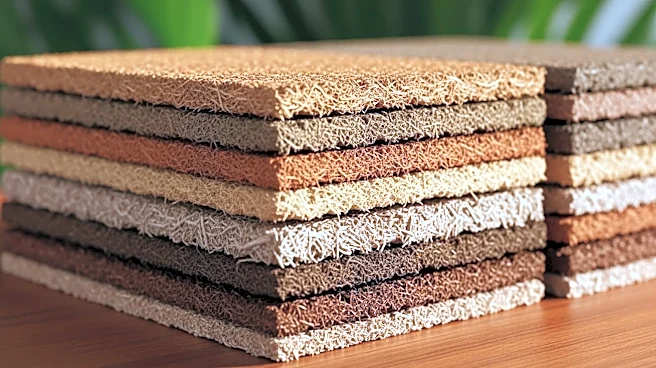
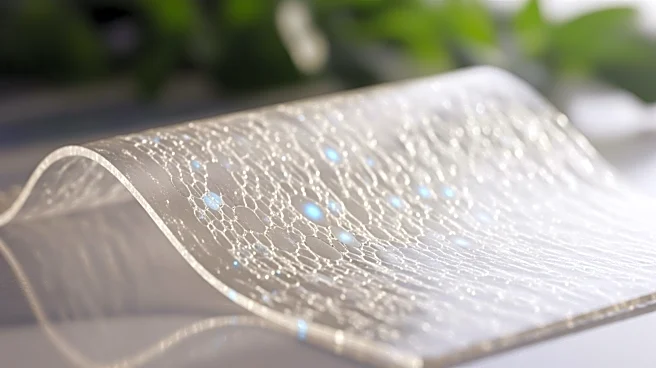
Researchers have created a new type of 'living plastic' that can self-destruct within six days when triggered. This innovative material, developed by a team and published in ACS Applied Polymer Materials, uses two cooperating bacterial strains to fully
degrade the plastic without producing microplastics. The plastic is embedded with microbes that produce enzymes capable of breaking down polymer chains into their monomer building blocks. This development aims to address the environmental issue of plastic waste, which can persist for centuries, by integrating degradation into the material's lifecycle.
Why It's Important?
The creation of self-destructing plastics represents a significant advancement in sustainable materials technology. By potentially reducing the environmental impact of plastic waste, this innovation could transform industries reliant on single-use plastics, such as packaging and consumer goods. The ability to program plastics to degrade on command could lead to more sustainable production practices and reduce the burden on waste management systems. This development aligns with global efforts to combat plastic pollution and promote environmental sustainability.
What's Next?
The research team plans to explore ways to activate the degradation process in water, where much plastic pollution accumulates. They also aim to adapt the strategy for other types of plastics commonly used in single-use products. If successful, this technology could be adopted by manufacturers seeking to reduce their environmental footprint. Regulatory bodies and environmental organizations may also play a role in promoting the adoption of such sustainable materials.