








What's Happening?
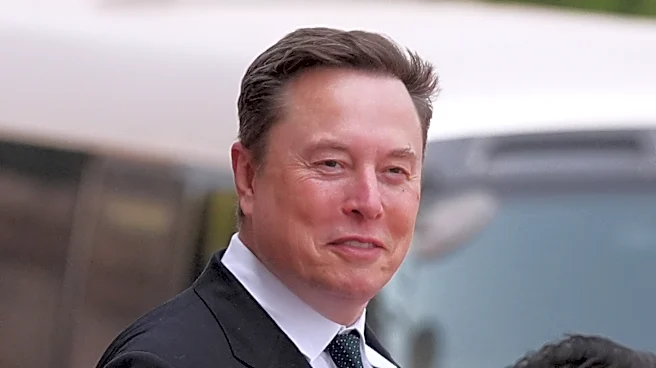
Elon Musk has achieved a historic milestone by becoming the world's first trillionaire following the initial public offering (IPO) of SpaceX, which is now the largest IPO ever. SpaceX shares began trading at $150 and rose to $171, significantly boosting
Musk's wealth, which also includes his stakes in Tesla. This unprecedented financial status presents unique challenges in wealth management, as experts note the difficulty in handling such a vast fortune. Wealth advisors suggest that managing a trillionaire's assets requires a governance system rather than traditional investment strategies, focusing on control, succession, and market impact.
Why It's Important?
Musk's new status as a trillionaire has significant implications for financial markets and wealth management practices. His wealth has the potential to influence market dynamics due to its sheer size, making any financial moves he makes subject to intense scrutiny. This situation highlights the need for innovative wealth management strategies that go beyond conventional methods. The focus shifts from merely growing wealth to preserving control and purpose, addressing issues like market volatility and public scrutiny. The scale of Musk's wealth also underscores the importance of succession planning, as his personal involvement is closely tied to the success of his companies.
What's Next?
As Musk navigates his new financial status, wealth advisors will likely develop specialized strategies to manage his assets effectively. This may involve creating a new type of family office tailored to Musk's philosophy and needs. Additionally, there will be a focus on establishing a governance system to ensure the long-term sustainability of his wealth. The financial community will be watching closely to see how Musk's wealth management strategies evolve and what impact they may have on broader market practices. The challenge will be to maintain stability and control while addressing the unique risks associated with such a large fortune.
Beyond the Headlines
The emergence of a trillionaire raises questions about wealth inequality and the concentration of economic power. Musk's financial status could influence public policy discussions around taxation and wealth distribution. Additionally, the ethical implications of such concentrated wealth may prompt debates about corporate governance and the responsibilities of ultra-high-net-worth individuals. The situation also highlights the potential for significant philanthropic efforts, as Musk's wealth could be leveraged for large-scale social impact initiatives. These broader implications will likely shape discussions in both financial and public policy circles.