

What's Happening?
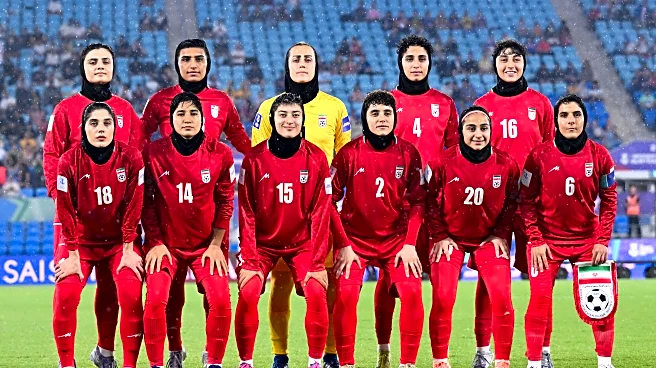
Two players from the Iranian women's soccer team, Fatemeh Pasandideh and Atefeh Ramezanisadeh, have been granted asylum in Australia and have joined the Brisbane Roar, a professional club in the A-League Women's domestic competition. This marks their
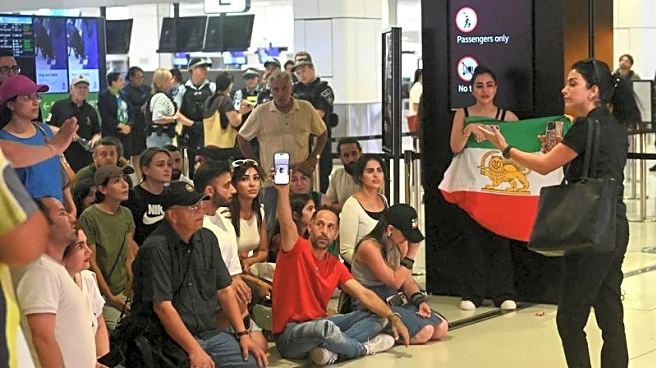
first public appearance since receiving asylum. The players were part of a larger group that was offered humanitarian visas by the Australian government after their team was knocked out of the Women's Asian Cup. Initially, seven women accepted the asylum offer, but five later decided to return to Iran. The Brisbane Roar has expressed its commitment to providing a supportive environment for the players as they adjust to their new life in Australia.
Why It's Important?
The asylum granted to these Iranian players highlights the intersection of sports and human rights issues. It underscores the challenges faced by athletes from countries with restrictive regimes, where political and social pressures can impact their safety and freedom. The decision by Australia to offer asylum reflects its stance on human rights and its willingness to support individuals at risk. This move could influence international sports organizations and governments to consider the welfare of athletes beyond the playing field. The situation also draws attention to the broader geopolitical tensions involving Iran and the international community, particularly concerning human rights and freedom of expression.
What's Next?
The players are currently in a safe location and are receiving assistance from the Australian government. The Brisbane Roar has offered them a place to train and play, indicating a long-term commitment to their integration into the team. The situation may prompt further discussions within international sports bodies like FIFA and the Asian Football Confederation regarding the protection and support of athletes facing political persecution. Additionally, the Iranian government’s response to the asylum and the players' future interactions with their home country remain uncertain, potentially affecting diplomatic relations.
Beyond the Headlines
This development raises questions about the role of sports as a platform for political expression and the responsibilities of sports organizations in safeguarding athletes' rights. The Iranian players' silence during their national anthem was interpreted as a protest, highlighting the complex relationship between sports and national identity. The asylum case may set a precedent for other athletes seeking refuge from oppressive regimes, challenging international sports bodies to address the ethical implications of such situations. It also emphasizes the need for policies that protect athletes' rights to free expression and safety.