





What's Happening?
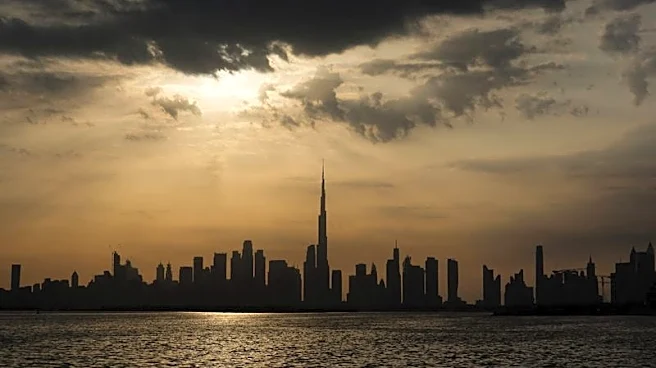
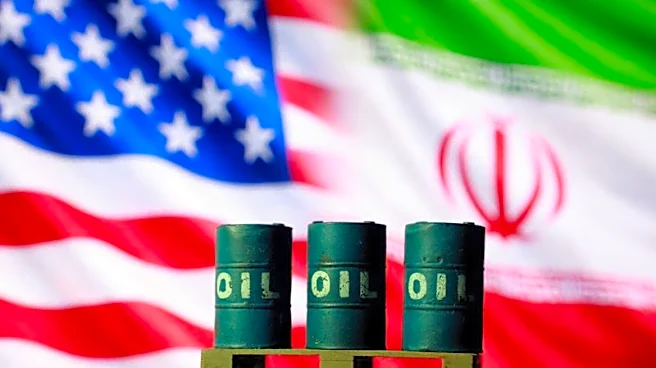
Major luxury brands such as LVMH, Kering, and Hermès are experiencing a significant downturn in sales in the Middle East, particularly in Dubai, due to geopolitical tensions involving Iran, Israel, and the United States. According to Reuters, sales at the Mall
of the Emirates in Dubai have plummeted by 30 to 50 percent, and foot traffic at the Dubai Mall has decreased by 50 percent. The Middle East, previously seen as a resilient market offsetting China's slowdown, is now faltering, affecting global luxury consumption. Analysts are concerned about a potential domino effect impacting the U.S. market, with rising energy prices and travel inflation potentially affecting consumer spending.
Why It's Important?
The instability in the Middle East could have broader implications for the U.S. economy, particularly in the luxury sector. Rising energy prices may dampen consumer morale, while increased travel costs could hinder global retail travel, affecting U.S. businesses reliant on international tourism. Additionally, stock market volatility could reduce spending by affluent consumers, impacting luxury sales. This situation underscores the interconnectedness of global markets and the potential vulnerabilities of U.S. industries to international geopolitical events.
What's Next?
Luxury brands are likely to reassess their geographical diversification strategies in response to these challenges. Kering's upcoming Capital Markets Day may address these issues, while LVMH is expected to navigate the prospect of a prolonged recovery period. U.S. businesses may need to prepare for potential shifts in consumer behavior and spending patterns as geopolitical tensions continue to influence global economic conditions.
Beyond the Headlines
The current situation highlights the fragility of relying on specific regions for growth, prompting luxury brands to explore alternative markets and strategies. The geopolitical tensions may also lead to increased scrutiny of international trade policies and their impact on U.S. businesses. Long-term shifts in consumer preferences and spending habits could emerge as a result of these developments, influencing the future landscape of the luxury industry.