
What's Happening?
The hospitality industry is undergoing a significant transformation as it approaches 2026, driven by a convergence of technological advancements, climate concerns, and evolving guest expectations. According
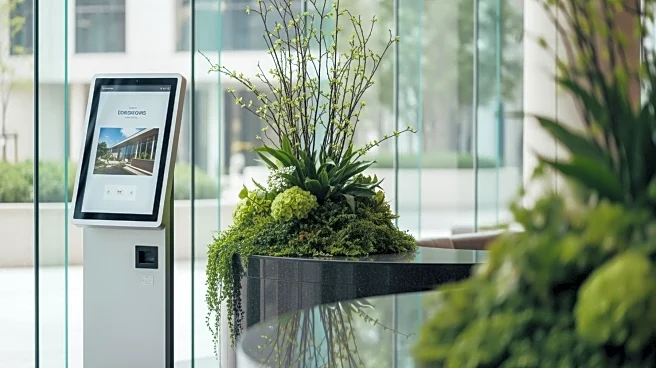
to a report from The HOTEL Yearbook, the industry is focusing on integrated strategies that blend digital and human elements, global and local perspectives, and automation with empathy. This shift is reflected in the adoption of luxury hospitality design trends that emphasize mixed-use integration, regenerative landscapes, and a balance between technology and human interaction. The report highlights the growing influence of artificial intelligence across various segments of hospitality, underscoring its role as a defining theme in the industry's evolution. The emphasis is on creating hotels that are not just places to stay but active participants in the urban environment, enhancing community connections and sustainability.
Why It's Important?
The changes in the hospitality industry are significant as they reflect broader societal shifts towards sustainability and technological integration. By adopting hybrid strategies, the industry aims to remain resilient in the face of labor market disruptions and economic realignments. The focus on AI and sustainable practices positions the industry to meet the demands of environmentally conscious consumers and leverage technology for enhanced guest experiences. This transformation could lead to increased investment in sustainable infrastructure and technology, benefiting both the environment and the economy. The industry's ability to adapt to these changes will determine its long-term success and influence on urban development and community engagement.
What's Next?
As the hospitality industry continues to evolve, stakeholders are likely to focus on implementing these hybrid strategies across new and existing properties. This may involve increased collaboration with technology firms to integrate AI solutions and sustainable practices into hotel operations. Additionally, there could be a push for regulatory frameworks that support sustainable development and innovation in hospitality. Industry leaders will need to navigate these changes carefully to maintain competitiveness and meet the expectations of a diverse and evolving customer base. The success of these strategies will depend on the industry's ability to balance technological advancements with human-centric design and community engagement.
Beyond the Headlines
The shift towards hybrid strategies in the hospitality industry also raises ethical and cultural considerations. As AI becomes more prevalent, there will be discussions around data privacy and the ethical use of technology in guest interactions. Furthermore, the emphasis on sustainability may lead to cultural shifts in how hospitality businesses engage with local communities and contribute to environmental conservation. These developments could redefine the role of hotels as cultural and social hubs, influencing urban planning and community dynamics. The industry's approach to these challenges will shape its reputation and impact on society in the coming years.